By: Kanto Kai Okanta
President
of Microsoft Europe, Middle East and Africa (EMEA), Samer Abu-Ltaif, has
underscored the importance of strong regulatory foundations, cybersecurity and
workforce development in unlocking the full potential of artificial
intelligence in public service delivery across the region.
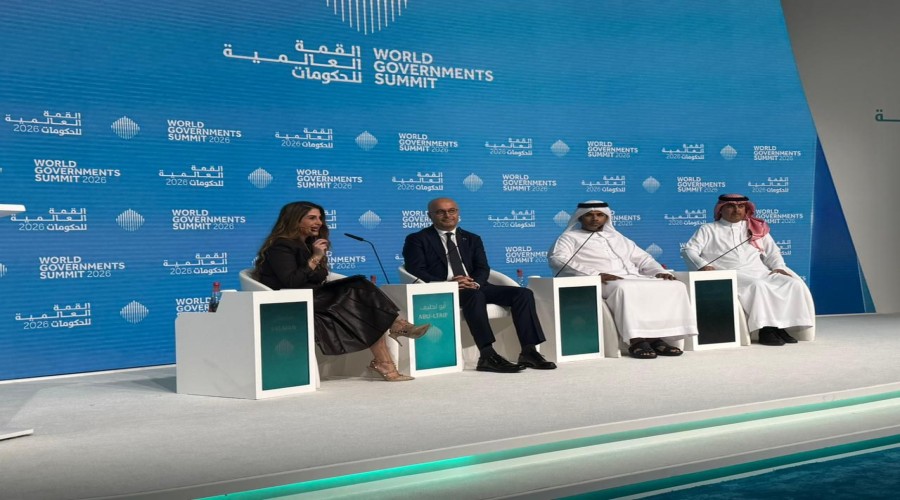
Speaking
at the World Governments Summit, Abu-Ltaif said while AI holds significant
promise to transform how governments operate and serve citizens, achieving
tangible and sustainable results depends largely on getting the fundamentals
right. He emphasized the need for dynamic and forward-looking regulatory
frameworks that not only manage risks but also actively encourage innovation
and adoption of AI technologies.
He
noted that cybersecurity must be treated as a non-negotiable element of digital
transformation, stressing that progress in AI deployment must go hand in hand
with robust security measures to protect systems, data and public trust.
Abu-Ltaif
also highlighted the critical role of human capital, calling for sustained
investment in skilling and reskilling public sector workers to lead in a
rapidly evolving world of work. According to him, equipping public servants
with the right digital and AI competencies is essential to ensuring that
AI-driven transformation improves citizen services and remains viable in the
long term.
The
Microsoft executive expressed appreciation to the World Governments Summit
organizers for the platform and acknowledged the contributions of Abdul Rahman
Al Thehaiban and Dr. Adel Alsharji, describing the discussion as insightful and
energizing.