By: Nana Appiah Acquaye
Ahead
of the 39th Ordinary Summit of Heads of State and Government, AUDA-NEPAD has announced
a new CAD 57 million (approximately USD 42 million) commitment from Canada’s
International Development Research Centre (IDRC), the Government of Norway, the
United Kingdom’s FCDO, Wellcome (UK), the German Research Foundation (DFG), and
South Africa’s National Research Foundation (NRF) to support the African
Union’s Science, Technology and Innovation Strategy for Africa (STISA-2034).
The funding will be delivered through the Science Granting Councils Initiative
(SGCI), a partnership of national science councils from 20 sub-Saharan African
countries.
The
initiative aims to strengthen Africa’s science, technology, and innovation
(STI) systems, addressing critical development challenges including climate
change, emerging diseases, food security, and technological disruption. SGCI
plays a pivotal role in funding, managing, and translating research into policy
and practical solutions while promoting inclusive, evidence-based approaches to
development.
The
third phase of SGCI, running from 2026 to 2030, will focus on increasing
Africa-led research and innovation, enhancing the policy influence of national
councils, and strengthening the operational capacity of Science Granting
Councils. A new SGCI Alliance will ensure African councils lead
decision-making, set research agendas, and foster strategic partnerships across
the continent.
Activities
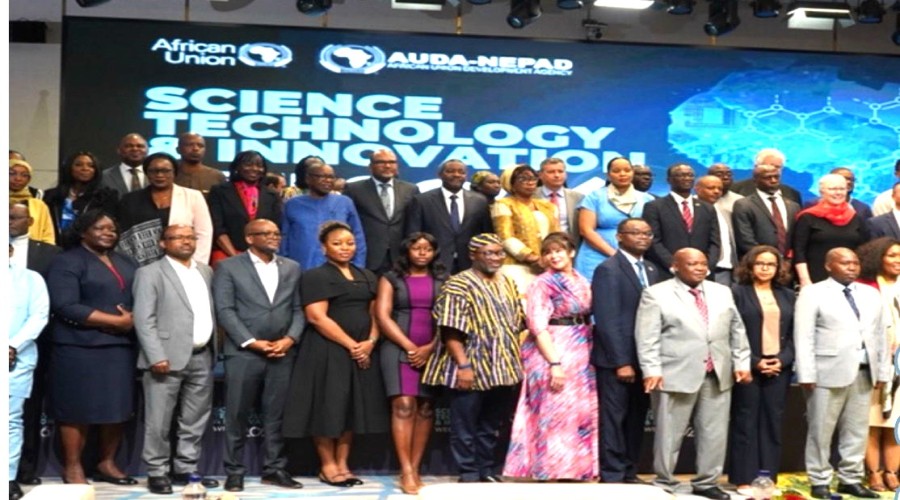
at the 39th African Union Summit include the launch of the STISA-2034
implementation plan and an interactive policy workshop to demonstrate the value
of coordinated research funding, policy harmonization, and empowered national
councils in driving inclusive innovation and sustainable growth. Multi-country
research calls aligned with STISA-2034 priority areas in agriculture, health,
ICT, energy, and the environment are expected later this year.
AUDA-NEPAD
and the African Union Commission emphasized that the strengthened collaboration
between SGCI and STISA-2034 will help translate continental STI strategies into
measurable national and regional impact while mobilizing additional resources,
including domestic funding and public–private partnerships.