Youth leadership and AI governance take center stage at World Health Summit Regional Meeting in Nairobi
Date: 2026-04-30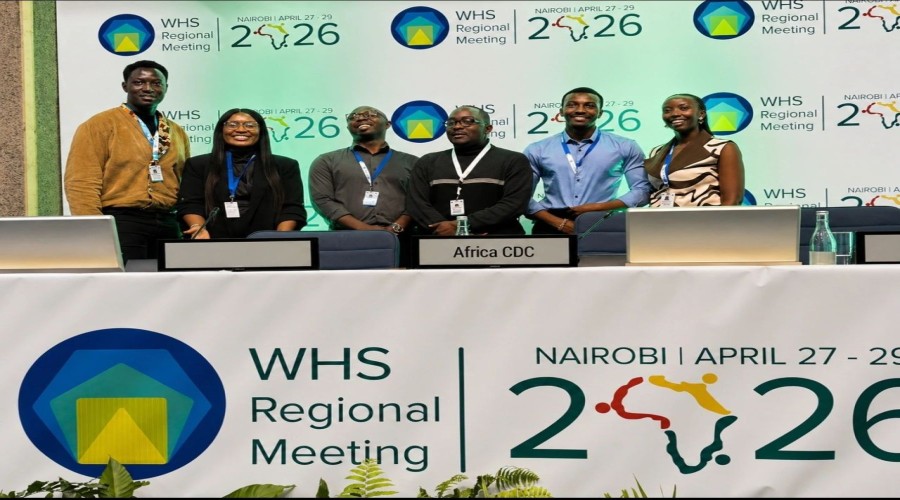
By: Nana Appiah Acquaye
Discussions
on digital health transformation and artificial intelligence governance
featured prominently at the World Health Summit Regional Meeting 2026 held in
Nairobi, where experts examined how technology can be better aligned with
Africa’s health systems and realities.
Speaking
during a panel session titled “Bridging the Reality Gap: Youth-Led Digital
Health and AI in Africa,” Munyala Mwalo emphasized the need to reassess how
digital health solutions are designed and implemented across the continent.

He
argued that greater attention must be paid to the origin of policy and
technological questions, including who sets development agendas and how
innovation priorities are defined. He further highlighted that trust, access,
and accountability remain central to ensuring that digital health tools
effectively serve communities and patients.
Mwalo
also stressed the importance of designing technology that reflects Africa’s
unique systems and social structures, rather than adopting one-size-fits-all
digital models. He noted that integrating human-centred approaches into digital
health systems is essential for achieving meaningful impact.
A
key theme of the discussion was the role of young people in shaping digital
transformation. With Africa’s predominantly young population, participants
underscored that youth are not only end users of emerging technologies but
should also be active contributors in policymaking and system design.

The
session formed part of broader conversations at the summit on how artificial
intelligence and digital tools can strengthen health systems while ensuring
inclusivity and sustainability. Participants called for continued engagement
beyond the conference to translate ideas into actionable reforms in digital
health governance.