By:
Nana Appiah Acquaye
Kenya
has called for increased international collaboration and capacity building in
the development of Marine Carbon Dioxide Removal (mCDR) solutions as part of
broader efforts to address rising greenhouse gas concentrations and accelerate
progress toward the Paris Agreement targets.
The
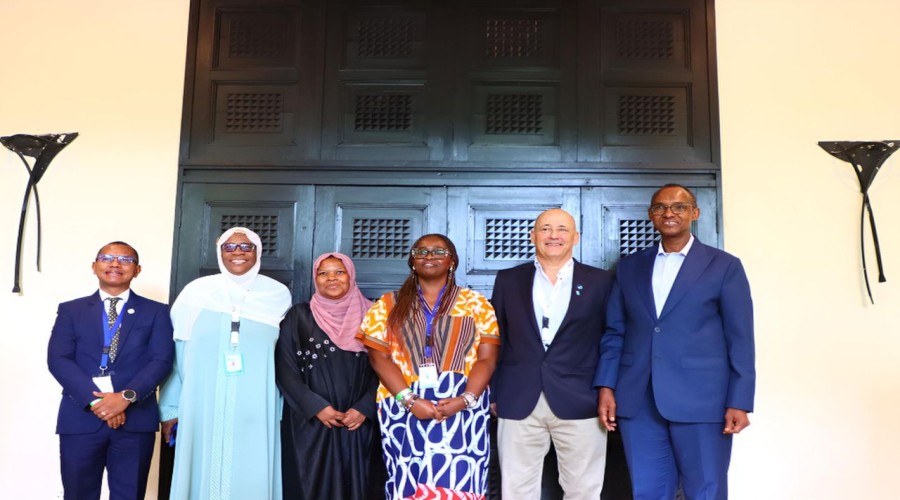
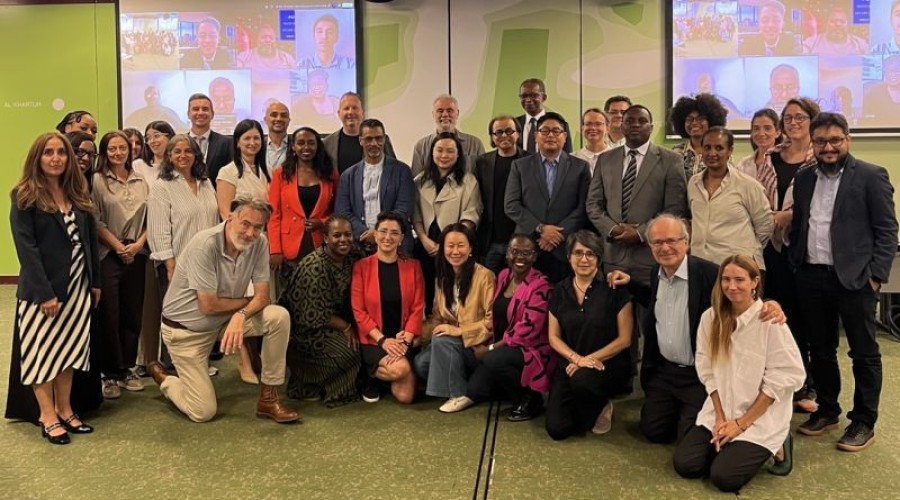
remarks were made during a high-level briefing held alongside the Our Ocean
Conference in Mombasa, where Kenya’s Special Envoy for Climate Change, Amb. Ali
Mohamed, engaged government delegates and development partners on emerging
carbon removal technologies.
Amb.
Mohamed noted that while emissions reduction and adaptation remain central to
global climate action, carbon dioxide removal is increasingly becoming a
necessary complementary pathway. He emphasized the importance of developing
responsible, science-based approaches to emerging climate solutions.
He
highlighted Kenya’s growing engagement in carbon removal initiatives, including
participation in the Africa Carbon Removal Summit, and referenced ongoing work
across a range of technologies such as biochar, enhanced weathering, and direct
air capture.
The
envoy also pointed to Kenya’s geological potential, particularly in the Rift
Valley region, as a possible site for carbon storage initiatives, noting that
several early-stage projects are already underway.
A
key focus of the briefing was the expansion of carbon removal efforts into
marine environments, which Amb. Mohamed described as an emerging frontier in
climate innovation. He outlined ongoing collaborations with partners including
Ocean Visions and academic institutions to support the development of an
Africa-focused Centre of Excellence on mCDR and a continental roadmap for
implementation.
He
stressed that, although the science and regulatory frameworks are still
evolving, African countries must prioritize building technical, policy, and
institutional capacity to engage effectively in carbon removal strategies.
Kenya
reaffirmed its commitment to working with international partners to develop
governance frameworks that guide research, deployment, and oversight of carbon
removal technologies in a responsible and transparent manner.
The
discussions underscored the need for evidence-based policymaking and inclusive
global cooperation to ensure Africa plays an active role in shaping the future
of climate solutions.