By: Nana
Appiah Acquaye
The African
Telecommunications Union (ATU) has called for stronger alignment among African
administrations on spectrum policy as the continent prepares to develop common
positions ahead of the 2027 World Radiocommunication Conference (WRC-27).
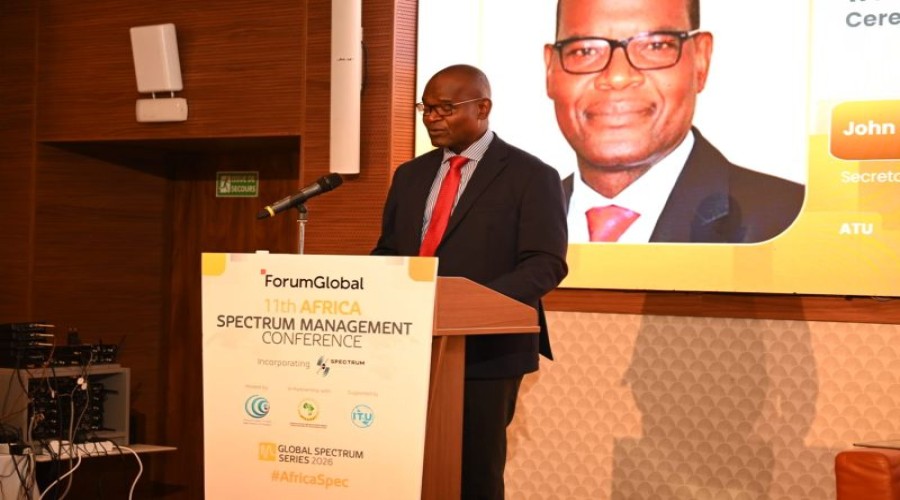
ATU Secretary General John
Omo made the call during the 11th Africa Spectrum Management Conference
underway in Tunis, Tunisia, where discussions are focusing on the future of
spectrum management and the requirements for continued growth in Africa’s digital
connectivity.
Omo highlighted the
importance of mid-band spectrum, particularly the 2.3 to 4.8 gigahertz ranges
and 6 GHz, where growing mobile broadband demand will require sufficient
capacity and greater regulatory coordination among African countries.
He said spectrum policy
decisions must extend beyond identifying frequencies to include how spectrum is
priced, how licences are structured and how coverage obligations are designed,
as these factors directly influence investment, network deployment and the
ability to extend connectivity beyond commercially attractive areas.
Omo also addressed
regulatory questions arising from the growing deployment of non-geostationary
satellite systems, multi-orbit networks and direct-to-device connectivity.
He further noted that
African administrations need to begin considering the spectrum requirements
that will accompany the eventual development of 6G networks.
The conference has brought
together senior spectrum management officials and telecommunications experts,
including Olfa Jammeli, Director General of Tunisia’s Agence Nationale des
Fréquences; Ben Ba, Head of the Terrestrial Publication and Registration Divisions
at the ITU Radiocommunication Bureau; and Dr Charley Lewis, Councillor at the
Independent Communications Authority of South Africa (ICASA).
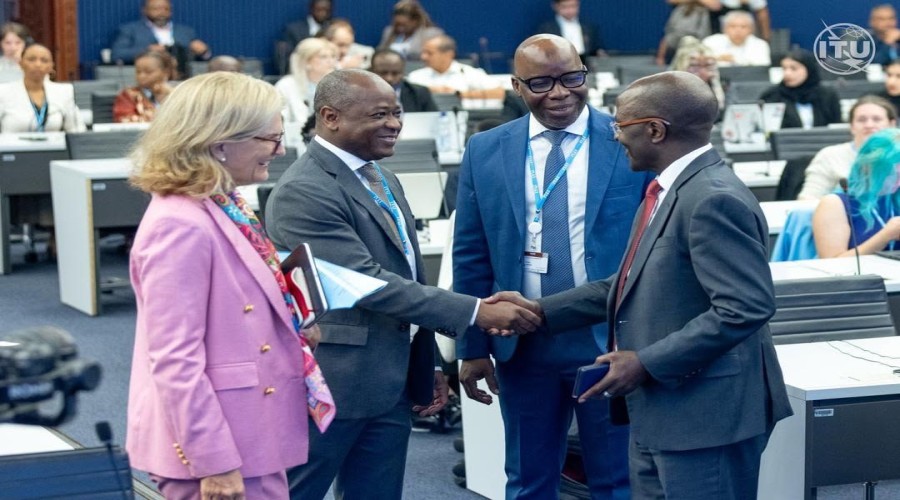
ATU Deputy Director for
Radiocommunications Martial Dhossa also led a panel discussion during the
conference.
The deliberations are
expected to feed directly into the Third African Preparatory Meeting for
WRC-27, which begins tomorrow and will bring African administrations together
to further develop the continent’s common positions for the global conference.
The spectrum discussions
come as African countries seek to expand mobile broadband, support new
satellite connectivity models and prepare for emerging technologies while
ensuring that spectrum policies promote investment, wider coverage and digital
inclusion.
The ATU said the outcomes of
the Tunis discussions will form part of the regional process for developing
coordinated African positions ahead of WRC-27, where decisions on the
international use of radio-frequency spectrum will shape the continent’s future
connectivity landscape.