By: Nana
Appiah Acquaye
Africa’s efforts to advance
artificial intelligence, digital inclusion and connectivity will require
stronger partnerships, digital skills and affordable access to devices,
according to Kenechi Okeleke, Senior Director at the GSMA.
Okeleke made the observation
following a week of engagements at the 81st United Nations General Assembly
(UNGA2026) in New York, where discussions focused on AI, digital inclusion and
the future of Africa’s workforce.
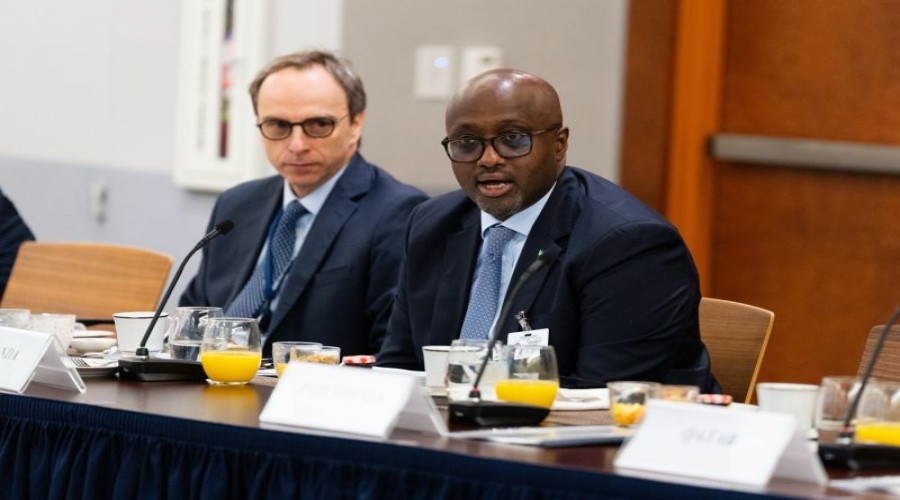
He spoke at a UNDP timbuktoo
event focused on equipping Africa’s young innovators with the tools required
for the AI era. The discussion highlighted the importance of skills,
partnerships and collaboration with industry in building Africa’s AI talent pipeline.
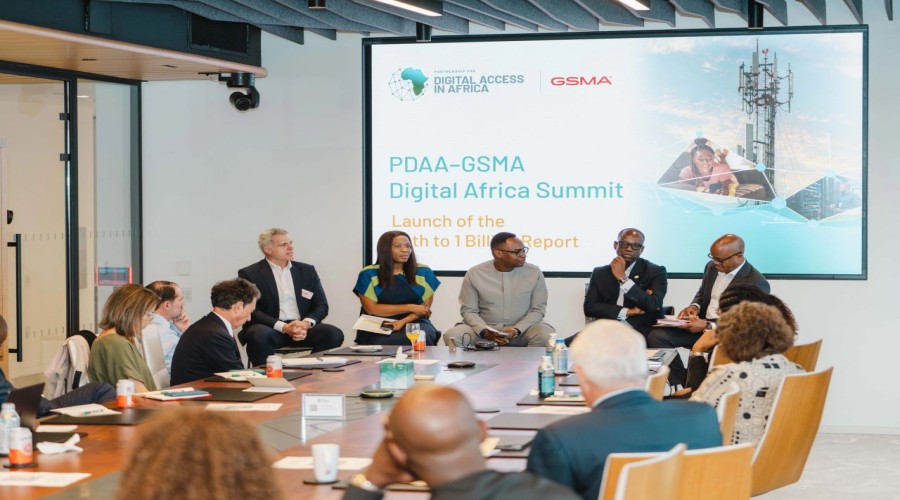
Okeleke also presented
findings from a GSMA Intelligence report for the Partnership for Digital Access
in Africa (PDAA), which sets out a pathway to connecting one billion people
across Africa by 2030.
The report was presented at
launch events supported by the Ford Foundation and Rockefeller Foundation,
where stakeholders examined the barriers and opportunities associated with
expanding meaningful digital participation across the continent.
The discussions emphasised
that meaningful connectivity, rather than coverage alone, must remain the goal.
Device affordability continues to be a major barrier to digital inclusion,
while digital skills and trust are becoming increasingly important alongside
infrastructure.
Okeleke also stressed the
need for collaboration among governments, industry and development partners to
accelerate progress towards Africa’s digital inclusion and connectivity
ambitions.
During the week, he met and
exchanged perspectives with former Liberian President Ellen Johnson Sirleaf and
African Union Commissioner for Infrastructure and Energy Lerato Mataboge.