By: Nana Appiah
Acquaye
The European Space Agency
(ESA) has highlighted the importance of ensuring continuity in Earth
observation missions, data and scientific research to improve understanding of
the Earth system and strengthen climate resilience.
Simonetta Cheli, Director of
ESA Earth Observation Programmes and Head of ESRIN, said the priorities include
addressing scientific gaps, deepening understanding of the Earth system and
using artificial intelligence (AI), advanced modelling and digital technologies
to anticipate environmental changes.
Cheli made the remarks
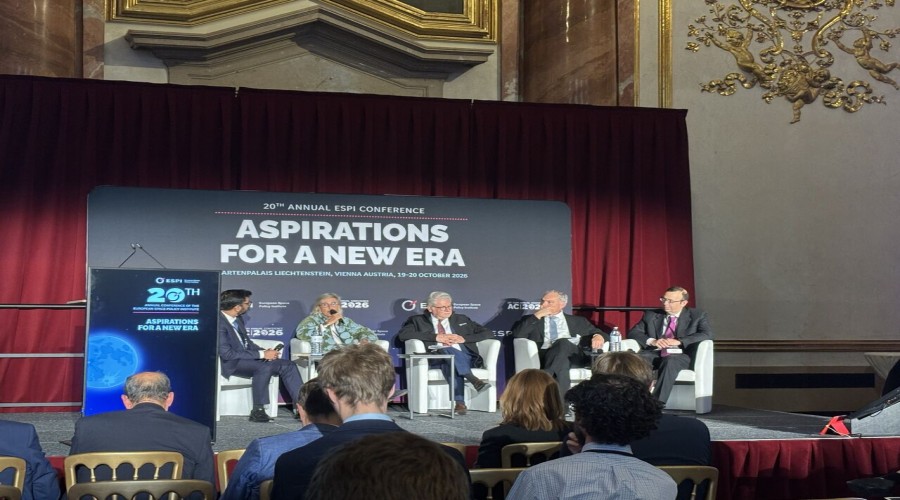
following her participation in a session on ambitions for planet Earth at the
20th European Space Policy Institute (ESPI) Annual Conference in Vienna.
“This means ensuring the
continuity of European Earth Observation missions, with continuity of data,
continuity in addressing science gaps and deepening our understanding of the
Earth system, and making use of tools such as AI, advanced modelling and digital
technologies,” she said.
She said these capabilities
could help move Earth observation beyond monitoring changes towards
understanding them, anticipating future developments and applying the resulting
knowledge in practical ways.
“Together, these
capabilities can help us move from observing change to understanding it,
anticipating what may come next and putting that knowledge to practical use,”
Cheli said.
She added that Europe would
continue to pursue strategic autonomy in climate, sustainability and resilience
while maintaining industrial competitiveness.
International cooperation,
she said, remained fundamental to Earth observation because challenges such as
climate change, biodiversity loss, ocean health and natural disasters cross
national borders.
“Climate change,
biodiversity loss, ocean health and natural disasters cross borders, and
understanding them depends on shared data, science and expertise,” she said.
Reflecting on the ESPI
Annual Conference reaching its 20th edition, Cheli said the milestone
demonstrated how much the space sector had evolved over the past two decades
and underscored the importance of connecting discussions within the space
sector with policy debates and the challenges facing society.