By: Kanto
Kai Okanta
Egypt is stepping up efforts
to attract investment in artificial intelligence (AI) data centres, expand
digital skills development and strengthen its domestic AI ecosystem as part of
a broader strategy to position the country as a regional hub for AI innovation
and services.
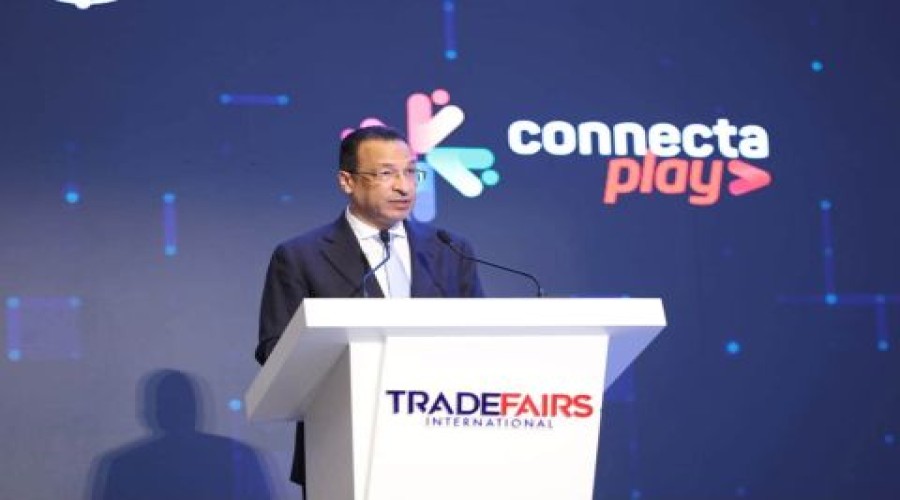
Minister of Communications
and Information Technology Raafat Hendy outlined the priorities during the
opening session of the 30th edition of Cairo ICT 2026, held under the patronage
of Prime Minister Mostafa Madbouly.
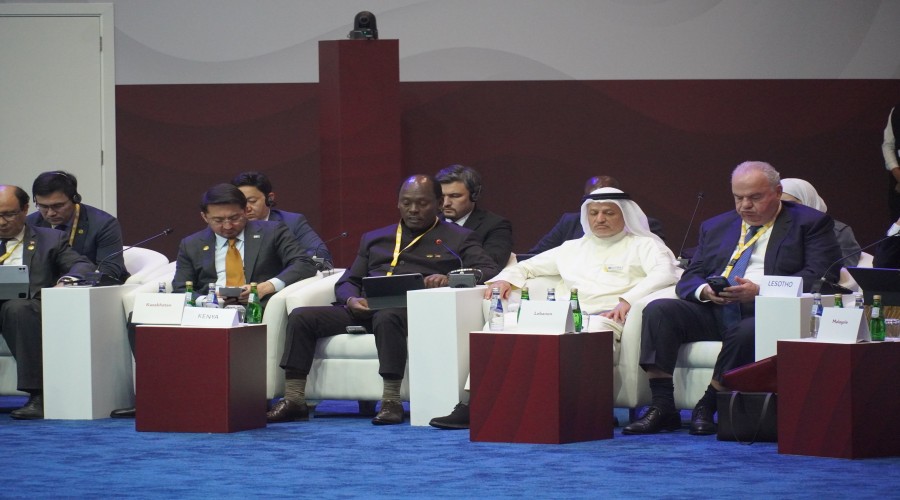
The event brought together
government ministers, senior executives from leading local and international
technology companies, investors and entrepreneurs from across the Arab and
African regions.
Addressing the gathering,
Hendy said Egypt planned to accelerate AI innovation through two main tracks:
attracting greater investment in AI-dedicated data centres to provide
researchers and innovators with the computing resources needed to develop
products locally, and expanding digital skills development and reskilling
programmes.
He emphasised the need to
strengthen workforce capabilities across different sectors to meet changing job
requirements while empowering young people to become developers of AI tools
rather than merely users.
Hendy noted that Egypt began
its AI journey in 2019 and had since launched the second edition of its
National AI Strategy (2025–2030), marking a shift from laying the foundations
for AI development to large-scale implementation.
The strategy is built around
six pillars: governance, technology, data, infrastructure, ecosystem and
talent. The National Council for Artificial Intelligence (NCAI) coordinates
implementation efforts across government entities.
As part of efforts to
strengthen local AI development, the Applied Innovation Center (AIC) has
developed Karnak, an Arabic large language model (LLM) designed to enable
researchers and entrepreneurs to build products that understand Arabic and
address the specific needs of Arabic-speaking users.
The Minister also
highlighted the Egyptian Charter for Responsible AI, which provides a guiding
framework for protecting privacy and clearly defining responsibilities in the
development and deployment of AI technologies.
Hendy subsequently
participated in the Ministerial Summit, themed “AI in Action: From Success
Stories to Broad National Impact”, alongside Minister of Finance Ahmed
Kouchouk, Minister of Water Resources and Irrigation Hani Sewilam, and Minister
of Investment and Foreign Trade Mohamed Farid.
During the summit, he
announced plans for an upcoming hackathon to be organised in collaboration with
the Ministry of Finance. The initiative will feature a series of challenges
designed to enable startups and innovators to develop advanced AI-powered solutions.
He added that similar
initiatives would be launched in coordination with several other ministries to
encourage innovation and promote the practical application of AI across
different sectors.
On digital infrastructure,
Hendy disclosed that the Ministry of Electricity and Renewable Energy plans to
provide up to one gigawatt of power capacity for investment opportunities in
the data centre industry.
He said proposed data centre
locations offer competitive advantages, including proximity to international
submarine cable landing stations. These facilities, combined with Egypt's
strategic geographic location and international telecommunications infrastructure,
are expected to help investors reduce latency, accelerate data transmission and
expand the export of data centre and AI services to regional and international
markets.
Hendy stressed that data
centres should be regarded not only as investment opportunities but also as
strategic assets essential to digital sovereignty.
He warned that failure to
keep pace with global advances in AI data centre infrastructure could leave
Egypt dependent on foreign solutions and undermine its digital sovereignty
objectives.
The Ministry of
Communications and Information Technology (MCIT), he said, was working closely
with the Ministries of Investment, Electricity and Finance to maximise the
economic and strategic benefits of the industry.
Hendy also highlighted
Egypt's progress in the Government AI Readiness Index, noting that the country
had improved from 111th globally in 2019 to 52nd place, ranking first in Africa
and third in the Arab world.
He reiterated that Egypt's
National AI Strategy prioritises developing technology in collaboration with
manufacturers rather than simply consuming technology products.
The development of Karnak,
he said, demonstrates the capacity of Egyptian professionals to build AI tools
locally, provided the necessary infrastructure is available.