By: Kanto
Kai Okanta
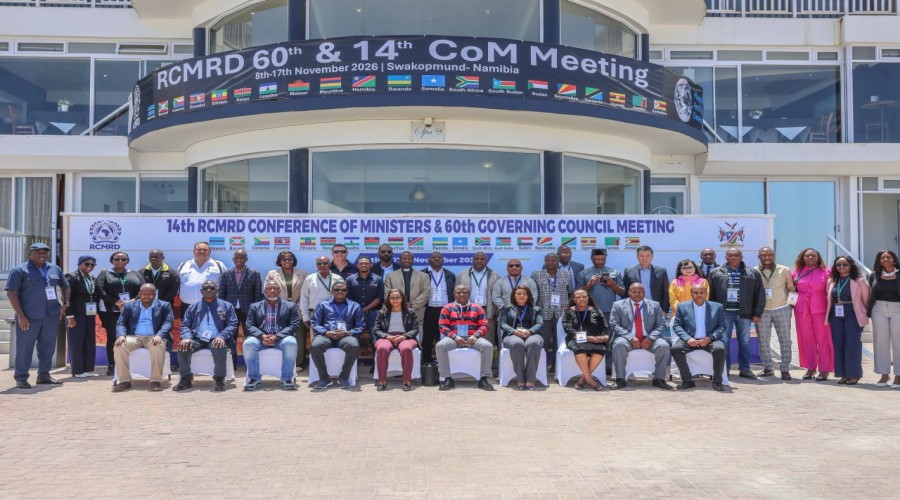
Namibia is hosting the 60th
Technical Committee and Governing Council meetings of the Regional Centre for
Mapping of Resources for Development (RCMRD), bringing together
Surveyors-General from 20 member states to strengthen regional cooperation and
advance geospatial development and the sustainable management of land and
natural resources.
The meetings are being held
at the Sea Side Hotel in Swakopmund, with the Technical Committee meeting
taking place from November 8 to 11, 2026, followed by the 60th Governing
Council meeting from November 12 to 13.
On November 9, Botswana
officially handed over the chairmanship of the organisation to Namibia, which
is also scheduled to host the 14th Conference of Ministers from November 16 to
17. Namibia last hosted the RCMRD Conference of Ministers in 2002.
The Technical Committee
meeting provides a platform for Surveyors-General from the 20 member states to
discuss developments and challenges affecting the land and natural resources
sectors across East and Southern Africa.
Participants are also
assessing RCMRD’s performance over the past year, considering and approving its
work plan for the coming year, and identifying opportunities to strengthen
collaboration between member states and the Centre.
Speaking on the importance
of innovation in the sector, Namibia’s Surveyor-General, Ndilipunye Valdo
Shanyengana, emphasised the need to leverage emerging technologies to
strengthen geospatial information systems and make them more responsive to
Africa’s development needs.
“We need to embrace emerging
technologies, including Artificial Intelligence, to ensure our mapping
resources are dynamic, responsive, and capable of addressing Africa’s
ever-increasing challenges,” Shanyengana said.
Reliable geospatial
information plays a critical role in national and regional development,
informing decisions on infrastructure development, land registration, census
planning and the sustainable management of natural resources.