By: Nana
Appiah Acquaye
The Deputy Director of
Consumer Affairs at Ghana’s National Communications Authority (NCA), John
Essamuah, has expressed support for the re-election of NCA Director-General
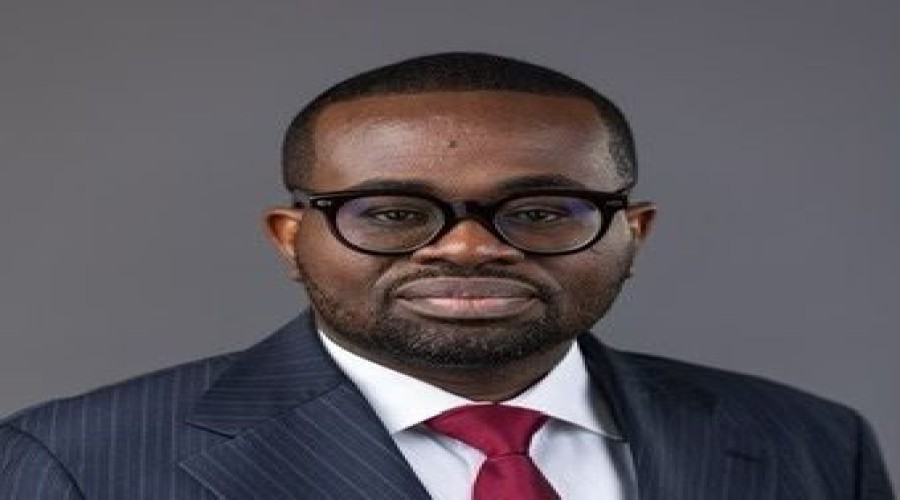
Rev. Ing. Edmund Yirenkyi Fianko to the International Telecommunication Union
(ITU) Radio Regulations Board (RRB) for a second term covering 2027 to 2030.
Essamuah said continuity in
the Board’s leadership was important to maintaining predictability, consistency
and impartiality in the international spectrum and orbital resources management
framework, particularly as emerging satellite systems and growing demand for
spectrum place increasing pressure on the global regulatory system.
In a statement shared on
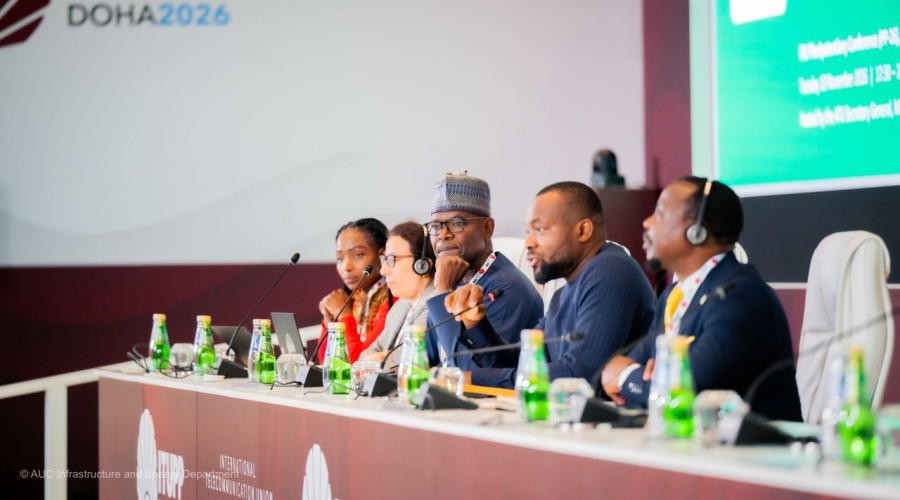
LinkedIn ahead of the election at the ongoing ITU Plenipotentiary Conference in
Doha, Qatar, Essamuah described the RRB as “the guardian of predictability in
the international spectrum and orbit regime.”
He explained that the Board
was not a political body but played a critical role in ensuring the consistent
and impartial application of the Radio Regulations.
Its responsibilities include
approving Rules of Procedure, considering requests for extensions of regulatory
time limits, examining cases of harmful interference and hearing appeals
against decisions of the Radiocommunication Bureau.
“Why does that matter?
Because a filing entered in the Master International Frequency Register is only
as strong as the consistency of the system that protects it,” Essamuah said.
He noted that he had
followed the work of the RRB closely since 2023, when Fianko first took his
seat on the Board, giving him an opportunity to observe his leadership and
approach to institutional governance.
According to Essamuah,
Fianko's leadership at the NCA reflects a belief that public institutions are
temporary custodians of the systems entrusted to them and that their
responsibility is to maintain consistency in applying rules, treating every
case and protecting institutional credibility.
He also highlighted Fianko's
more than 20 years of experience in radiocommunications, which began in 2004
when he joined the sector as a Frequency Management Officer.
Essamuah said Fianko brought
the same professional discipline to his first term on the Board, guided by a
vision to enhance the transparency and efficiency of its working methods
through the diligent, ethical, fair and transparent application of the Radio
Regulations.
He argued that such
experience and continuity would be particularly important as new satellite
systems and increasing pressure on spectrum resources test the existing
international regulatory framework.
“In a period when new
satellite systems and new pressures on spectrum will test the framework, that
steadiness is the guarantee of equitable access to a finite natural resource,”
he said.
Essamuah concluded by
expressing his support for Fianko's candidature, saying his re-election would
benefit not only Ghana and Africa but also the credibility of the international
system on which all ITU Member States depend.
“I wish Ing. Fianko well.
His re-election would serve not only Ghana and Africa, but the credibility of
the system on which all Member States depend,” he added.
The Radio Regulations Board
is responsible for overseeing the application of the ITU Radio Regulations, the
international framework governing the use of radio-frequency spectrum and
satellite orbits. Its work is central to ensuring equitable access to these
limited global resources and preventing harmful interference between radio
communication services worldwide.