By: Nana
Appiah Acquaye
The Global Satellite
Operators Association (GSOA) has called for regulatory frameworks that reflect
the technological realities and economic differences between satellite and
terrestrial networks to accelerate the delivery of connectivity and help bridge
the digital divide.
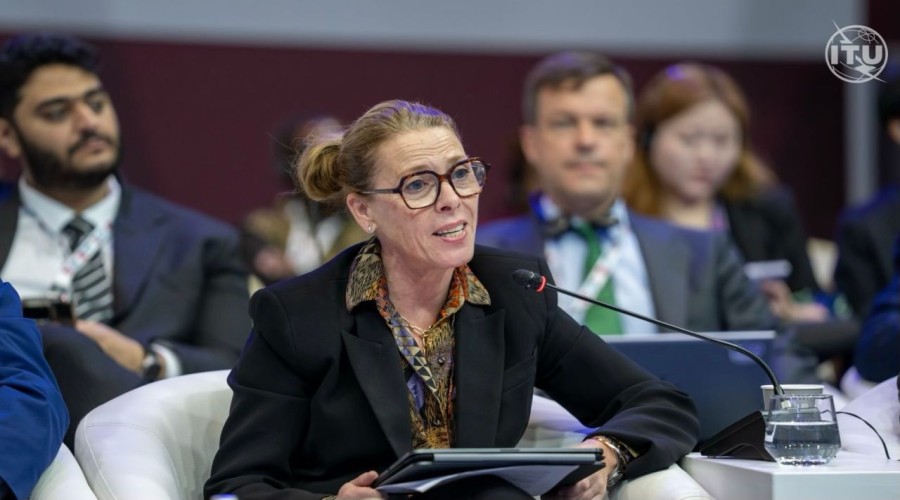
GSOA Director General
Isabelle Mauro made the call during the Ministers’ High-Level Roundtable hosted
in Doha, Qatar, this week as part of the International Telecommunication
Union’s (ITU) 2026 Plenipotentiary Conference (PP-26).
Mauro highlighted the
crucial role of satellite communications in delivering connectivity everywhere,
regardless of geography, and expanding access to underserved and unconnected
communities.
She said unlocking the
potential of satellite communications requires fit-for-purpose regulation
aligned with international best practices, reducing unnecessary compliance
burdens, facilitating cross-border services and encouraging long-term
investment.
GSOA also called for a
predictable international regulatory framework that would unlock additional
spectrum for next-generation satellite services and enable more efficient
spectrum use.
According to Mauro, as
demand for seamless and ubiquitous connectivity accelerates, regulatory
approaches must accommodate the different operating models and economics of
satellite and terrestrial networks.
She further stressed that
discussions over the next three weeks at PP-26 must build on established
processes, respect the complementary mandates of ITU sectors and avoid
unnecessary duplication.
“The priority is clear:
enabling satellite innovation, not creating barriers that could delay
deployment and limit connectivity benefits for people everywhere,” Mauro said.