By: Kanto
Kai Okanta
Namibia’s Ministry of
Information and Communication Technology (MICT) has highlighted progress in
digital public infrastructure, including preparations for the implementation of
Electronic Identification and the launch of Public Key Infrastructure (PKI), as
part of efforts to accelerate the digitalisation of financial services.
The developments were
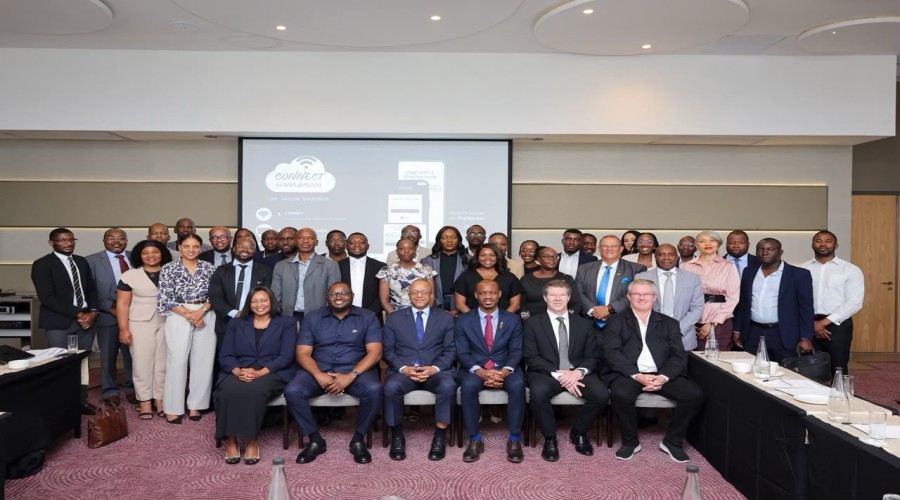
presented during a meeting of the Financial Sector Council Advisory Body
(FSCAB), attended by MICT Executive Director Linda Nakale. The meeting was
chaired by Bank of Namibia Governor Ebson Uanguta and deputised by the Namibia
Financial Institutions Supervisory Authority (NAMFISA).
The Advisory Body brings
together key public and private sector stakeholders to provide strategic
guidance, strengthen coordination and oversee progress in implementing the
Namibia Financial Sector Transformation Strategy 2025–2035.
During the meeting, MICT
presented progress on digital transformation and innovation, highlighting key
developments across the Ministry and various ICT players.
Particular emphasis was
placed on the readiness for the implementation of Electronic Identification and
the launch of the Public Key Infrastructure, which enables the use of legally
recognised electronic signatures in Namibia.
According to the Ministry,
these developments are important in supporting secure digital transactions,
improving service delivery and accelerating the digitalisation of financial
services.
As the Ministry responsible
for driving Namibia’s digital transformation agenda, MICT said it welcomed the
opportunity to contribute to the Advisory Body and support efforts to build a
more innovative, accessible and digitally enabled financial sector.
The Ministry also recognised
the importance of collaboration across government, regulators and the financial
industry in addressing common challenges and advancing digital transformation.
It said its participation in
the Advisory Body represented another important step towards ensuring that
digital infrastructure and innovation translate into more efficient, secure and
inclusive financial services for all Namibians.