By: Nana
Appiah Acquaye
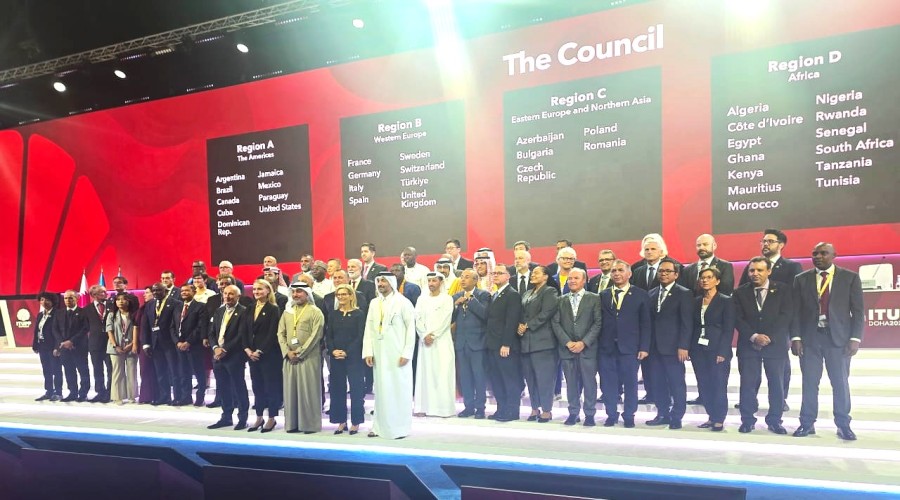
Thirteen African countries
have been elected to the 48-member Council of the International
Telecommunication Union (ITU), securing representation for the continent in the
United Nations agency’s governing body for the next four-year period.
The elected African
countries are Kenya, Côte d’Ivoire, Senegal, Tanzania, Egypt, Rwanda, Algeria,
Morocco, Ghana, Nigeria, Tunisia, Mauritius and South Africa.
Kenya received the highest
number of votes among the elected African countries, securing 136 votes,
followed by Côte d’Ivoire with 135 votes and Senegal with 134 votes.
Tanzania secured 131 votes,
while Egypt received 128 votes and Rwanda obtained 127 votes. Algeria received
126 votes, followed by Morocco with 125 votes.
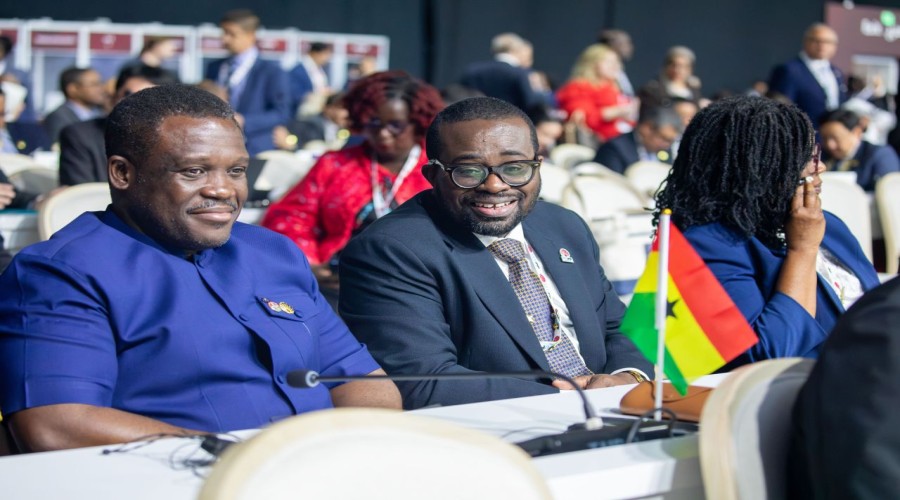
Ghana and Nigeria each
secured 121 votes, while Tunisia received 115 votes, Mauritius obtained 114
votes and South Africa secured 112 votes.
The elections took place
during the ITU Plenipotentiary Conference (PP-26), which is being held in Doha,
Qatar, from 9 to 27 November 2026.
The Plenipotentiary
Conference is the highest policy-making body of the ITU, the United Nations
agency for digital technologies. Meeting every four years, the conference sets
out the organisation’s overall direction, approves its strategic and financial plans,
and elects its five top officials, 48-member Council and 12 Radio Regulations
Board members.
The Council is responsible
for overseeing the Union’s activities between Plenipotentiary Conferences,
providing strategic guidance and ensuring the implementation of decisions
adopted by member states.
The election of the 13
African countries provides the continent with representation in discussions and
decisions shaping the ITU’s priorities and the future direction of global
telecommunications and digital development.