By: Nana
Appiah Acquaye
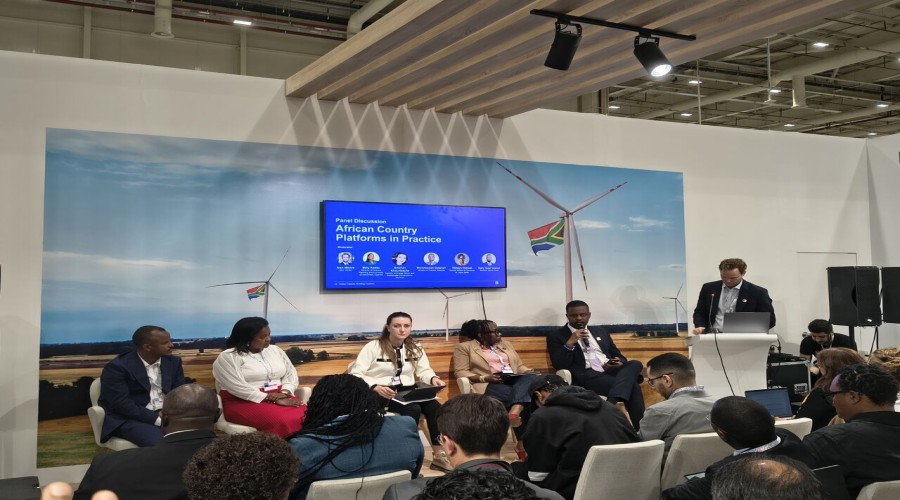
Kenya has joined Colombia,
Ethiopia and Uganda as one of four pilot countries in the Global
Decarbonization Investment Accelerator, an initiative aimed at mobilising
technical and financial support for industrial decarbonisation, beginning with
cement production.
The announcement was made by
Kenya’s Office of the Special Envoy for Climate Change following the launch of
the initiative at the Climate Fund Pavilion during the 31st UN Climate Change
Conference (COP31) in Antalya, Türkiye.
The remarks of Kenya’s
Special Envoy for Climate Change, Ambassador Ali Mohamed, were delivered by
Nasra Nanda, welcoming the country's participation and acknowledging the
support of the United Nations Industrial Development Organization (UNIDO) and
the Global Environment Facility (GEF).
Kenya's participation comes
as the country seeks to reduce emissions from construction materials while
supporting the development of infrastructure needed to accommodate its growing
economy.
With support from UNIDO,
Kenya has launched two complementary roadmaps to advance the transition towards
lower-carbon construction materials.
The Decarbonisation Roadmap
for Low Carbon Cement and Concrete outlines how the cement industry can reduce
emissions from production, while the Green Public Procurement Roadmap for
Low-Carbon Cement and Steel focuses on how government purchasing power can
create more predictable demand for environmentally sustainable construction
materials.
Implementation of the
roadmaps is expected to begin in 2027, with President William Ruto's Affordable
Housing Programme and other public infrastructure projects identified as
opportunities to put the strategies into practice.
Kenya is seeking technical
and financial support to prepare its first cement decarbonisation projects for
investment. This will involve bringing producers, public buyers and financiers
together to identify priority projects, assess their feasibility and determine
the financing required.
A key initial outcome would
be a shortlist of cement projects, each supported by a clear preparation plan,
a credible source of demand and a pathway to financing.
The initiative also aligns
with Kenya's broader position on moving Africa's climate agenda from
commitments to implementation.
President William Ruto, in
his capacity as Chairperson of the African Union's Committee of African Heads
of State and Government on Climate Change, has called for the continent to
accelerate the implementation of its climate commitments.
With Kenya, Ethiopia and
Uganda participating in the pilot initiative, and Ethiopia preparing to host
COP32, the experience is expected to contribute to building a stronger East
African and African market for lower-carbon construction materials.
The initiative comes at a
time when Africa faces significant infrastructure development needs, including
homes, schools and roads, making the production and procurement of construction
materials increasingly important to affordability, industrial competitiveness
and long-term emissions reduction.