By: Nana
Appiah Acquaye
Kenya has called for greater
local ownership and stronger institutional capacity in climate finance,
emphasising the need to ensure that funding for climate adaptation responds to
the priorities of communities and local institutions.
The call was made during a
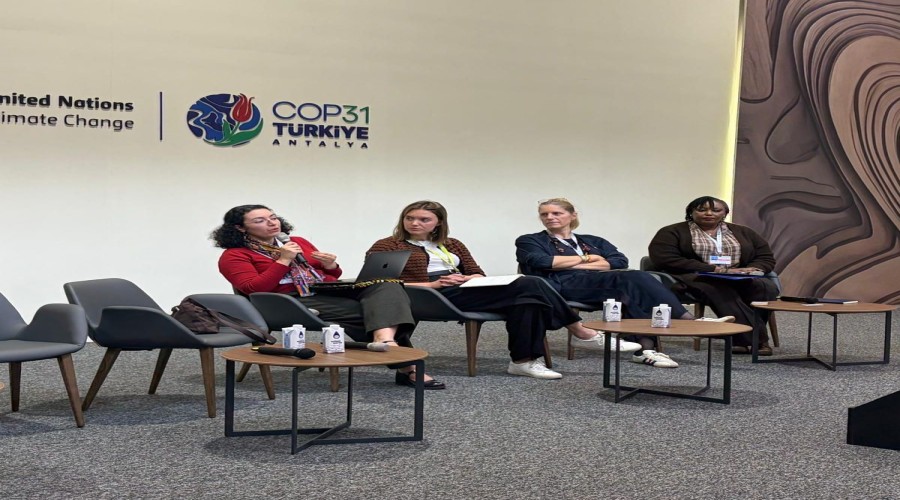
Capacity-building Hub session titled “Making Climate Finance Work for Local
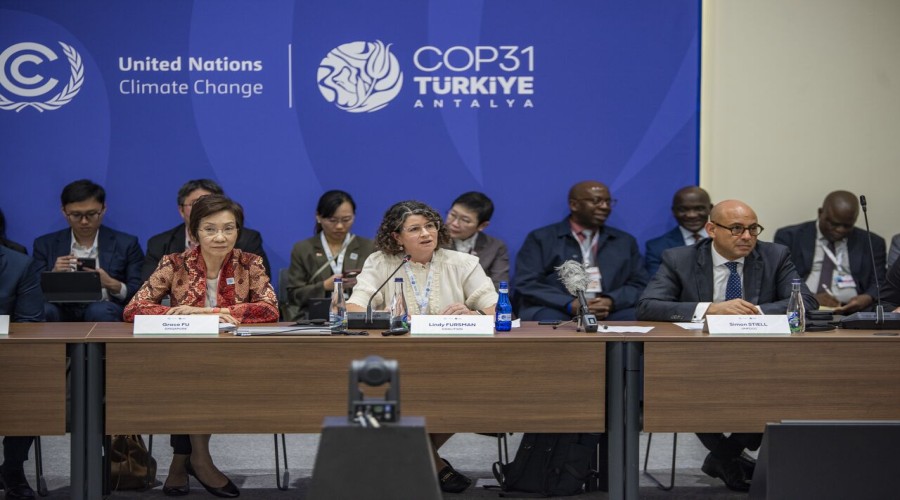
Needs” at the 31st UN Climate Change Conference (COP31) in Türkiye, where the
Office of Kenya’s Special Envoy for Climate Change joined discussions on improving
access to climate finance for locally led adaptation.
The session was organised
around the 2026–2027 focus area of the Paris Committee on Capacity-building,
which seeks to strengthen long-term, systemic capacity-building for
individuals, local organisations and institutions to improve access to climate
finance and enhance local ownership.
Soha Benchekroun, Senior
Advisor for Climate Finance, Intra-African and South-South Cooperation at the
Office of Kenya’s Special Envoy for Climate Change, presented an African
perspective on how locally led adaptation could be more firmly integrated into
project design, planning and implementation.
She emphasised the
importance of building ecosystems of local partners, including civil society
organisations, farmers, relevant institutions and the domestic private sector,
to drive and inform decision-making throughout the climate adaptation process.
Benchekroun also stressed
that climate capacity-building initiatives in Africa should focus on priority
areas identified and determined by countries and communities rather than
relying on externally imposed priorities.
County-level perspectives
were provided by representatives from Homa Bay, who demonstrated the
significant capacity already available at the local level to map climate risks
and generate evidence to support adaptation planning.
Representatives of the Green
Climate Fund and the Adaptation Fund also participated in the discussion,
contributing perspectives on improving climate finance access and supporting
locally driven adaptation initiatives.
The discussions highlighted
the importance of moving beyond short-term capacity-building interventions
towards strengthening the people, organisations and institutions responsible
for identifying climate risks, developing adaptation projects and implementing
solutions at the community level.