By: Kanto
Kai Okanta
Morocco is accelerating the
implementation of its national artificial intelligence roadmap, ‘AI Made in
Morocco’, as part of efforts to strengthen its technological capabilities,
develop homegrown AI solutions and position the country as an active player in
the global artificial intelligence industry.
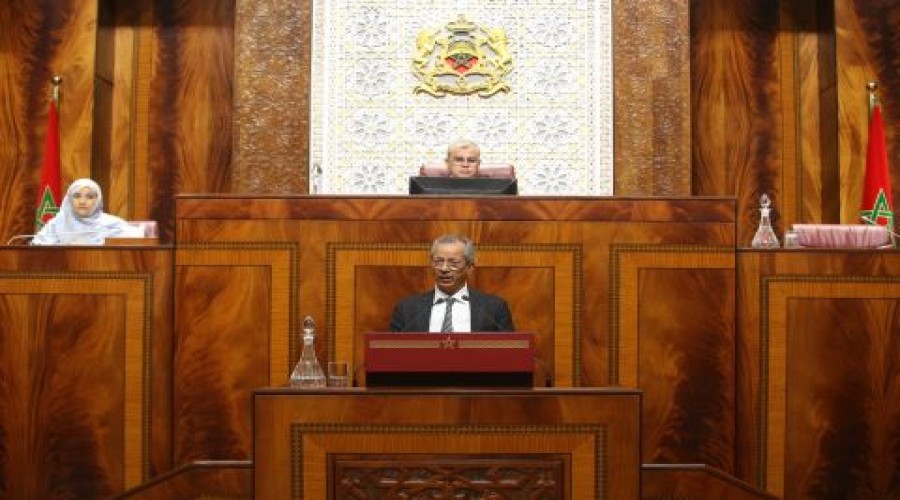
Minister of Artificial
Intelligence, Digital Transformation and Administrative Reform Ahmed Rahou announced
the priorities while responding to questions from members of the House of
Representatives on Monday, November 16, 2026.
Rahou said the country's
ambition was to become an active player in developing artificial intelligence
technology and producing its solutions, in alignment with the broader ‘Digital
Morocco 2030’ strategy.
He recalled royal directives
calling for the launch of a new generation of major strategies, particularly in
the fields of the digital economy and artificial intelligence.
As part of the roadmap's
implementation, the government is accelerating the activation of the Al-Jazari
Institutes network, strengthening national capabilities in data and computing,
and introducing financing mechanisms to support startups.
The minister disclosed that
the government plans to mobilise 2.5 billion Moroccan dirhams to finance
startups, while ensuring the responsible and safe use of artificial
intelligence.
On telecommunications
infrastructure, Rahou outlined the second phase of Morocco's national plan for
the development of high-speed and very high-speed internet connectivity.
The phase targets 2,000
rural areas experiencing weak or no network coverage. He said the list of areas
to benefit from the programme would be reviewed through a participatory
approach involving parliamentarians, local authorities and elected representatives.
Regarding the digitisation
of public services, the minister said his ministry was working to complete the
necessary legal and regulatory framework, simplify administrative procedures
and accelerate their digitisation.
The government is also
working to develop the National Administrative Portal, idarati.ma, and
strengthen data exchange between public administrations to reduce the number of
documents citizens must submit and minimise the need for physical visits to
government offices.