By: Tewodros Balcha Mulisa
Africa's efforts to expand instant
digital payments are increasingly shifting from building interconnected
infrastructure to ensuring that merchants and consumers trust and routinely use
the systems, industry representatives said at a financial technology forum in
Mauritius.
The challenge was a central theme at
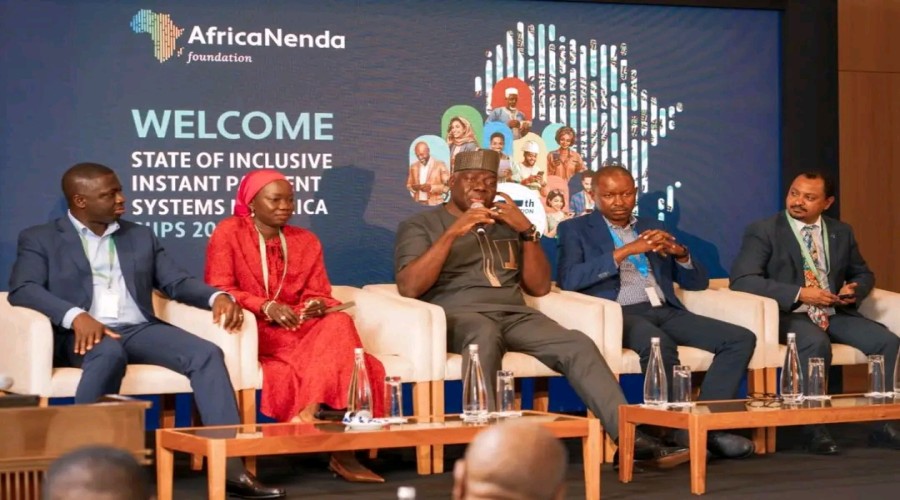
the fifth edition of the State of Inclusive Instant Payment Systems in Africa
Report (SIIPS 2026), where financial sector leaders examined how digital public
infrastructure can translate into broader financial inclusion through private
sector participation.
At a Nov. 18 session titled
"Closing the Last-Mile Gap: Digital Public Infrastructure Meets Private
Sector Action", Ethiopia's EthSwitch outlined the country's approach to
connecting digital identity, payment and data-exchange infrastructure, while
highlighting merchant confidence as a critical factor in adoption.
"DPI builds the road, but the
private sector determines whether people use it," was a central
observation during the discussion.
Representing EthSwitch, Director of
Marketing Yoseph Endale cited Fayda, Ethiopia's digital identity system,
EthioPay's interoperable instant payment infrastructure and data-exchange
platforms as components of the country's emerging digital public infrastructure
architecture.
EthSwitch builds and operates
EthioPay, connecting banks, microfinance institutions, payment instrument
issuers and payment system operators.
According to figures presented by
Endale, EthioPay supports interoperable person-to-person payments across 51
institutions, ETHQR payments across 40 institutions and Request to Pay services
across 30 institutions.
EthSwitch is also developing an ISO
20022 middleware solution to enable financial institutions with varying
technological capabilities to participate in the interoperable ecosystem.
Endale illustrated the challenges of
adoption through the experience of an Ethiopian grocery merchant who stopped
accepting mobile money at his shop after his wife handed over groceries worth
about 1,000 Ethiopian birr against a fraudulent payment receipt.
Although the merchant personally
used mobile money, the incident undermined his confidence in accepting digital
payments from customers.
EthSwitch subsequently developed the
Interoperable Merchant Portal to help address such verification concerns.
Merchants can consult transaction records, match payment amounts and reference
numbers, and confirm completion before releasing goods.
The example highlighted a practical
constraint facing instant payment providers: technical connectivity alone does
not guarantee acceptance, particularly among small businesses exposed to
uncertainty over payment confirmation.
Panelists also stressed the
importance of public-private partnerships, interoperability, adaptive
regulation and measuring actual usage rather than relying primarily on
account-opening figures.
As African countries expand their
digital payment infrastructure, the challenge is increasingly to make systems
affordable, reliable and commercially useful in everyday transactions, turning
access into sustained adoption.