Ghana’s Environment, Science and Technology Minister stands ground after COP31 President interrupts African Group statement
Date: 2026-11-25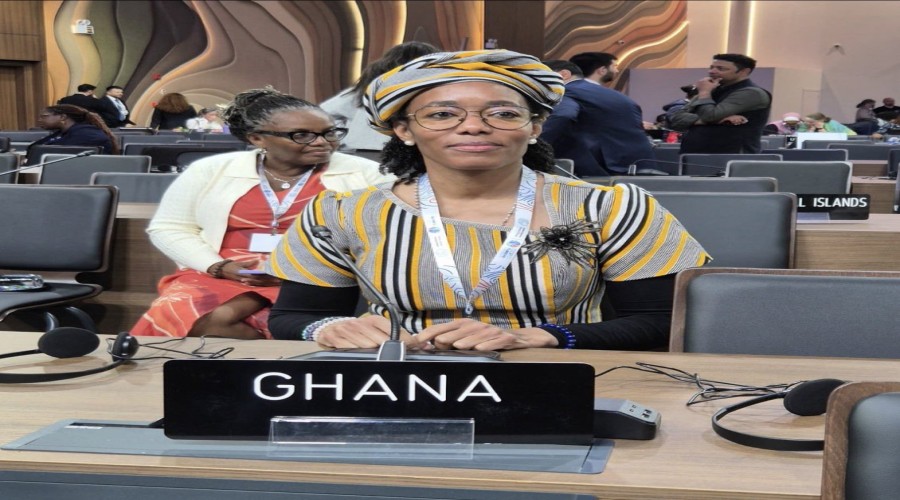
Ghana’s Environment,
Science and Technology Minister
stands ground after COP31 President interrupts African Group statement
By: Nana
Appiah Acquaye
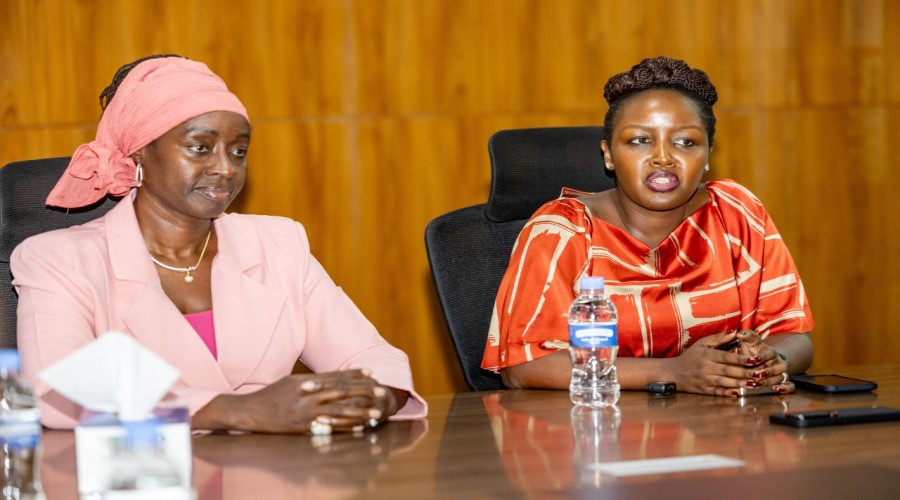
Ghana’s Minister of
Environment, Science and Technology, Dr Zanetor Agyeman-Rawlings, has been
commended for defending Africa’s position and calling for a respectful and
inclusive process after she was interrupted while delivering the African Group
of Negotiators’ statement at the closing plenary of COP31.
The minister was presenting
the African Group of Negotiators’ position when COP31 President Murat Kurum,
Türkiye’s Minister of Environment, Urbanization and Climate Change, interrupted
her mid-statement, prompting her to stand her ground and insist on the need for
a respectful and inclusive process. Kurum has since apologised.
In
a LinkedIn post, the Country Advisor for the Reproductive, Maternal,
Newborn, Child and Adolescent Health (RMNCAH) Project under the Susan Thompson
Buffett Foundation grant, Emily Chirwa praised Dr Agyeman-Rawlings for standing her ground with poise and
dignity after COP31 President Murat Kurum, Türkiye’s Minister of Environment,
Urbanization and Climate Change, interrupted her mid-statement.

“Minister, you are a true
daughter of the continent. Thank you for speaking for all of us,” the statement
said.
It added that the issues the
minister was defending included stronger outcomes on adaptation finance, loss
and damage, and a just transition.
The post also highlighted
the implications of climate finance gaps for healthcare systems across Africa,
particularly countries with limited fiscal resources.
“Having spent years in
health financing and planning, I know where those gaps land. Climate shocks
stretch health budgets and strain facilities, usually in countries with the
least fiscal space. Unpredictable climate finance means unpredictable health planning,”
it said.
It further stressed that
Africa’s participation in international climate negotiations must go beyond
symbolic representation, arguing that the ability of affected countries to
influence decisions is essential to achieving meaningful outcomes.
“Being heard in the room is
not a courtesy. It decides whether the people carrying the burden shape the
outcome,” the post added.