By: Nana
Appiah Acquaye
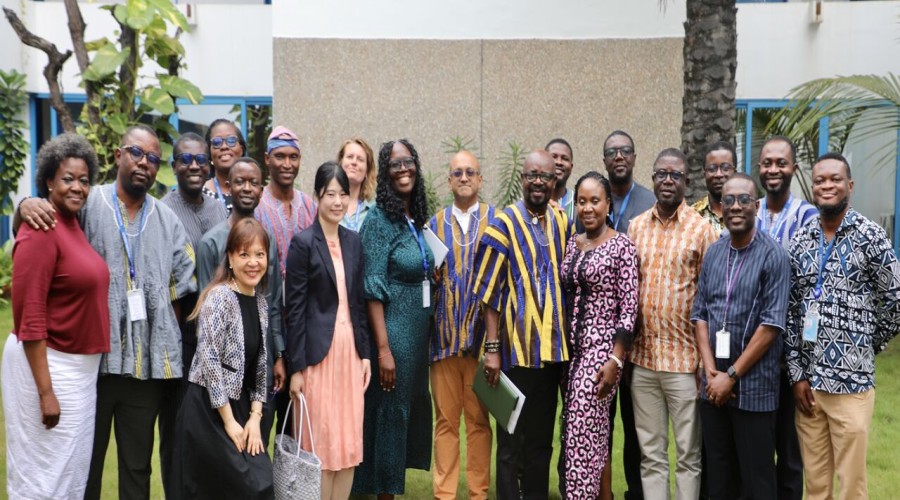
The United Nations
Development Programme (UNDP) Ghana and the World Health Organization (WHO)
Ghana have convened the inaugural Project Steering Committee meeting for an
initiative aimed at using artificial intelligence to improve health outcomes
while addressing potential risks to human security.
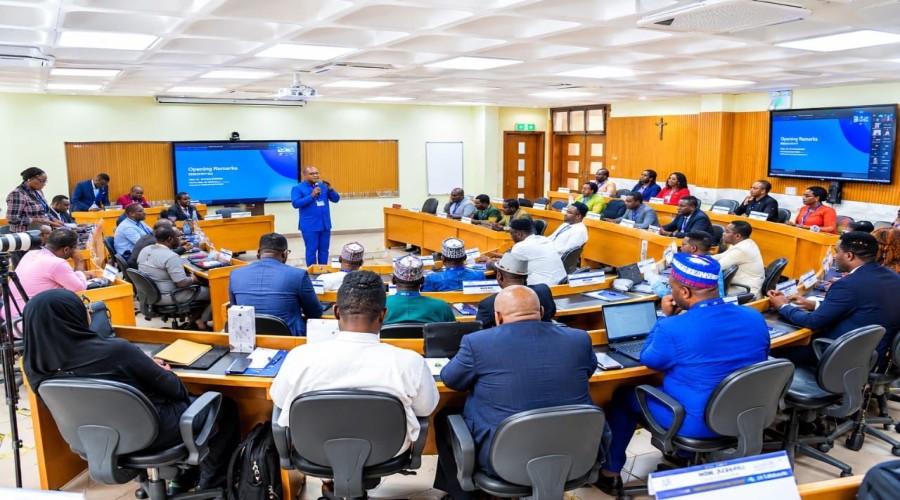
The meeting brought together
representatives from government, development partners, academia and civil
society to provide strategic guidance and oversight for the initiative.
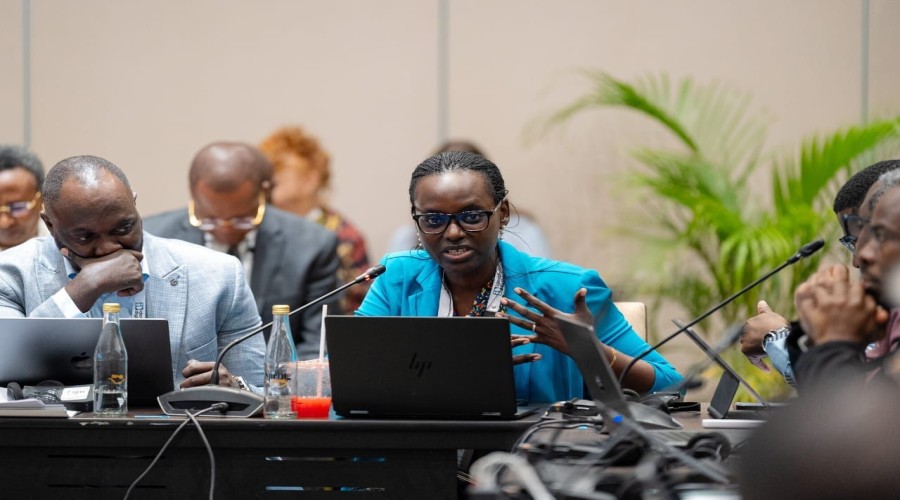
Discussions focused on
strengthening artificial intelligence governance and data security as Ghana
expands the use of AI and digital technologies in the health sector.
Participants also examined
measures to build institutional capacity and strengthen the digital
capabilities of the health workforce, while promoting greater digital inclusion
to ensure that the benefits of AI-enabled health services are accessible to different
segments of the population.
Another area of discussion
was the potential use of AI-enabled early warning systems to support the
detection and management of climate-sensitive diseases.
The initiative is being
supported by the Government of Japan and the UN Trust Fund for Human Security
and seeks to place human needs and safety at the centre of Ghana’s digital
health transformation.
UNDP Ghana and WHO Ghana
said the programme will focus on ensuring that the deployment of AI in
healthcare is safe, ethical, equitable and aligned with Ghana’s health
priorities.
The initiative comes as
Ghana continues to expand its digital transformation efforts, with AI
increasingly being considered for applications in healthcare, data analysis,
disease surveillance and public health planning.
The steering committee is
expected to provide continued oversight and strategic direction as the
initiative advances efforts to strengthen Ghana’s capacity to use AI in
healthcare while managing associated technological, ethical and security risks.