By: Nana
Appiah Acquaye
Rice farming can contribute
to climate action through improved water management and climate-smart
agricultural practices, and UNDP Ghana is strengthening the technical capacity
required to measure and verify the resulting climate benefits through its Alternate
Wetting and Drying (AWD) project.
As part of the initiative,
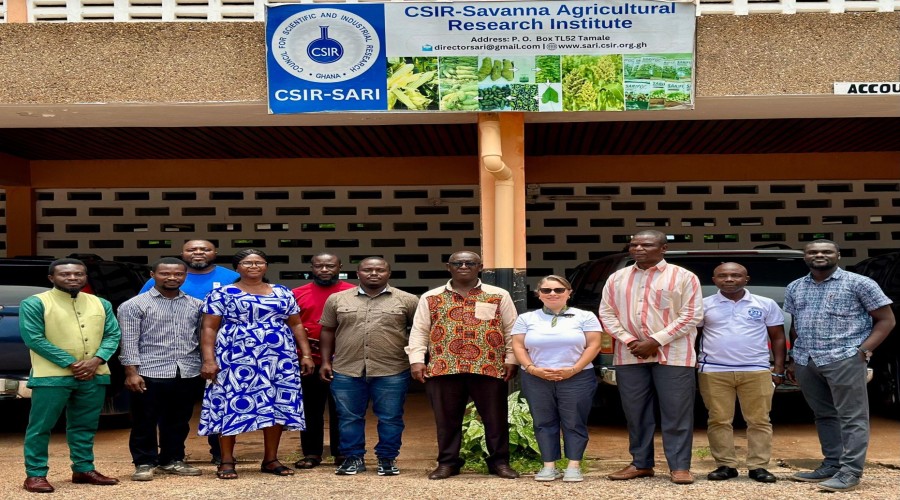
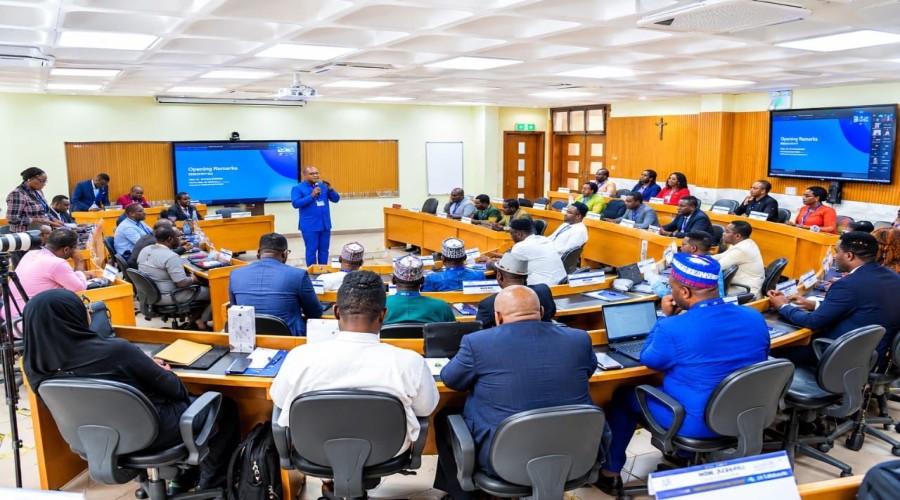
experts from the CSIR–Savanna Agricultural Research Institute (CSIR-SARI) are
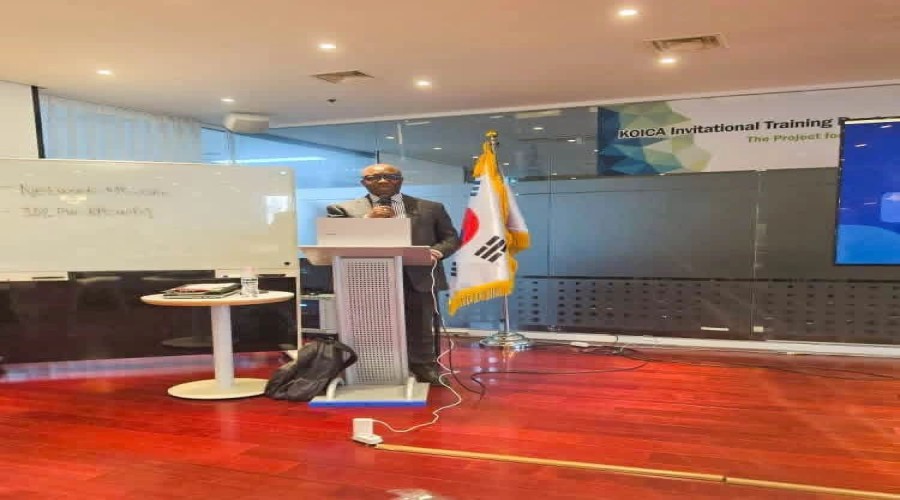
receiving training on the Clean Development Mechanism (CDM) methodology and
programme data collection requirements.
The training is aimed at
strengthening national expertise for robust field data collection, monitoring
and credible verification of the climate benefits associated with improved rice
farming practices.
The AWD project is advancing
climate-smart rice production while also supporting Ghana’s efforts to
strengthen its technical capacity to participate effectively in international
carbon markets.
Alternate Wetting and Drying
is an improved water management approach that can support more sustainable rice
production and contribute to climate action.
Supported by the Government
of Switzerland, the project reflects ongoing efforts to combine climate-smart
agricultural practices with the technical systems and expertise required to
monitor, measure and verify environmental outcomes.