By: Nana
Appiah Acquaye
Nele Leosk, Estonia’s
candidate for Director of the Telecommunication Development Bureau at the
International Telecommunication Union (ITU), has called for stronger digital
foundations to ensure that the technology gap does not become a development
gap.
Leosk made the remarks
following the Global AI and Digital Summit in Seoul, organised by the World
Bank Group in partnership with South Korea’s Ministry of Science and ICT and
Ministry of Finance and Economy.
“The technology gap must not
become a development gap,” she said, describing the development of strong
digital foundations as central to her vision for the ITU’s Telecommunication
Development Bureau.
Leosk said affordable,
meaningful and secure connectivity for all must be measured not in kilometres
of cable but in the impact it delivers, including better education, faster
healthcare services and opportunities for small businesses to find new customers.
She pledged to move towards
hands-on development, with a focus on building local digital ecosystems through
digital public infrastructure, secure and interoperable data, trusted digital
identity, and investment in local capacity, institutions and private sector
growth.
According to Leosk, these
foundations would enable countries to lead and sustain their own digital
transformation.
She also highlighted the
need to make emerging technologies accessible to all, pledging targeted support
to help countries assess, plan and deploy artificial intelligence that fits
their own contexts and goals, with safeguards for security, privacy and trust
from the start.
Leosk said she would also
support efforts to strengthen countries’ capacity to govern AI, from national
policy and regulation to decisions on infrastructure investment, licensing, and
the use of local languages and culture in AI models.
On international
cooperation, she called for “one stronger ITU,” working closely with regional
offices and partners across the United Nations system, the private sector and
academia.
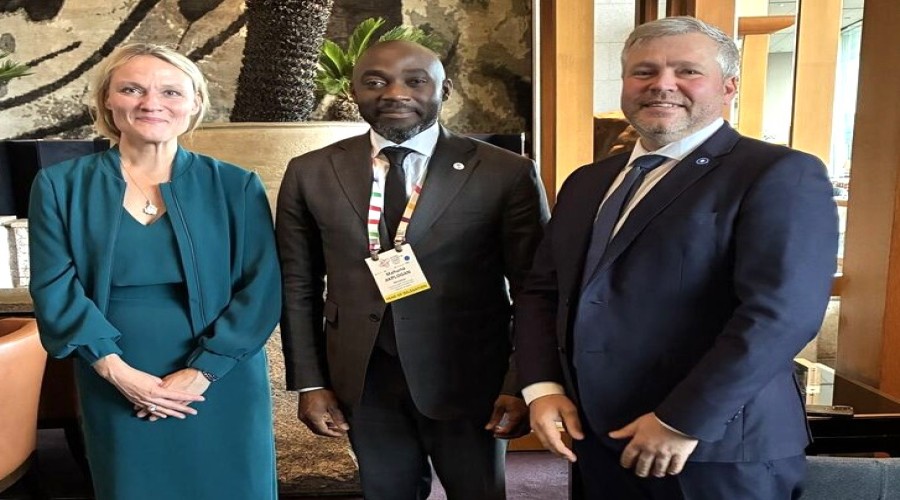
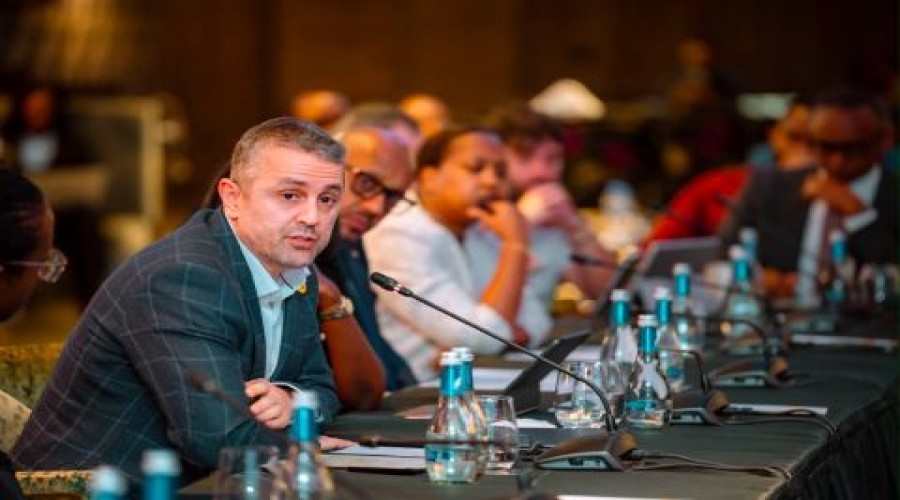
During the summit in Seoul,
Leosk met delegations from more than 30 countries, noting that despite their
different contexts, they shared a need for practical, hands-on support.
“Different contexts, but one
shared need: practical, hands-on support that I will put at the centre of my
work,” she said.
Leosk’s vision places
connectivity, local digital capacity, responsible AI deployment and
international collaboration at the centre of efforts to ensure that
technological progress translates into broader development outcomes.