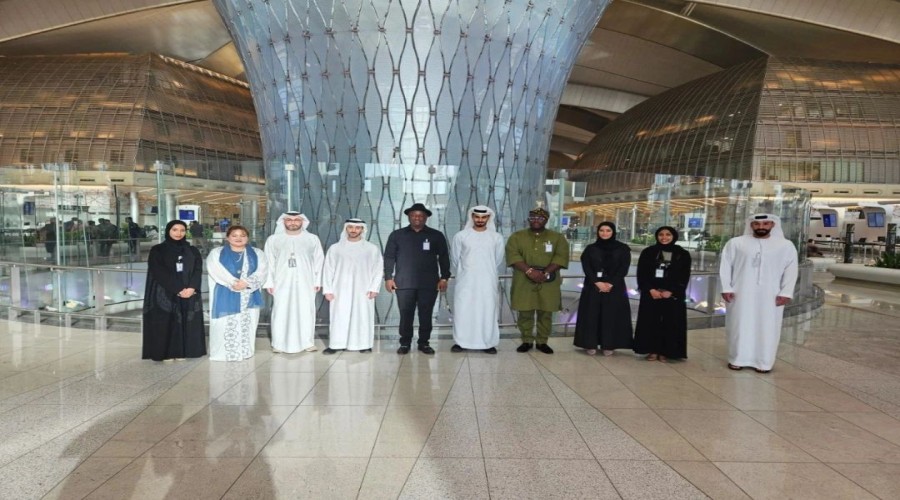
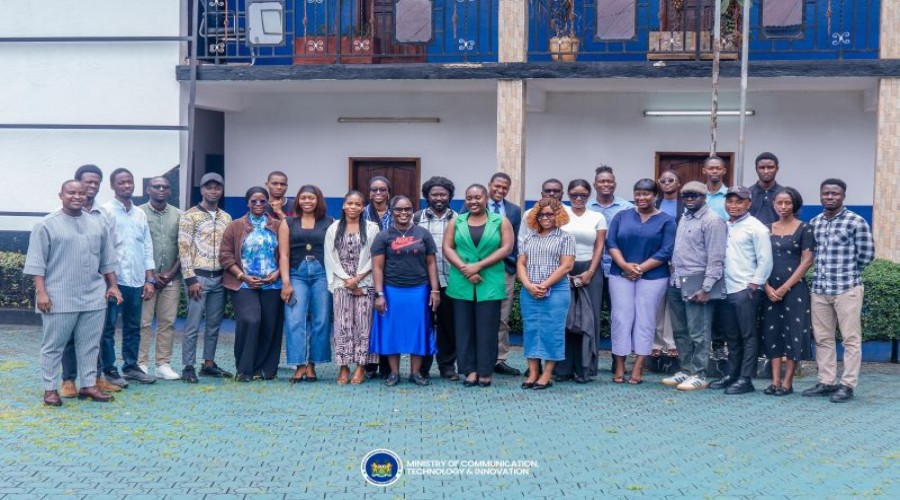
UN Technology Bank and KAUST conclude AI leadership programme for Least Developed Countries
Date: 2026-02-15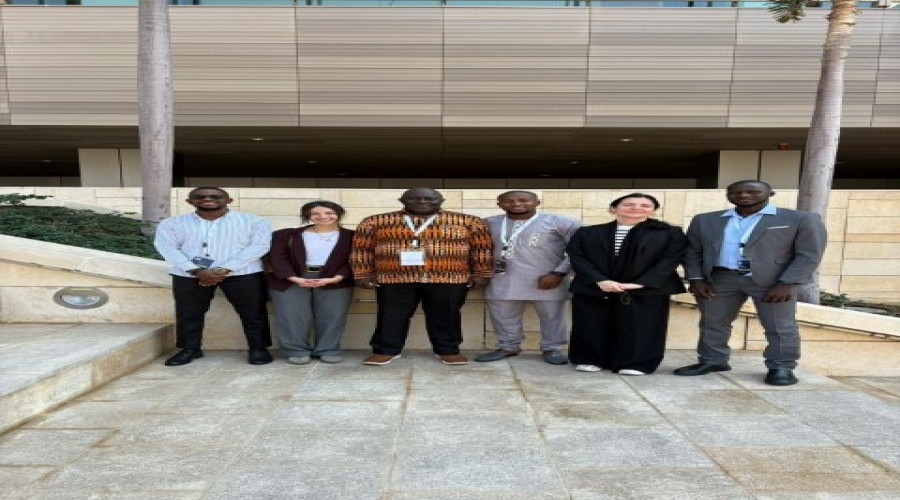
By: Nana Appiah Acquaye
The
United Nations Technology Bank for the Least Developed Countries, in
partnership with King Abdullah University of Science and Technology, has
concluded a high-level leadership programme aimed at strengthening artificial
intelligence capacity among policymakers from Least Developed Countries.
The
initiative, titled “AI for Impact: Training Leaders in LDCs,” brought together
26 senior policymakers from seven Least Developed Countries for an intensive
training focused on leveraging AI for sustainable development.

According
to the organisers, the programme was designed to enhance participants’
understanding of the artificial intelligence value chain while equipping them
with practical tools for policy design and strategic planning. The curriculum
incorporated established analytical models, including the Laurentys Framework
and OECD/Cambridge approaches, alongside sessions addressing data governance,
ethics, privacy, and security.
Participants
also examined infrastructure limitations and capacity constraints commonly
faced by Least Developed Countries, with discussions centred on how AI can be
deployed effectively within these contexts. The programme featured
practice-oriented learning, enabling delegates to develop country-level use
cases and policy recommendations aligned with national priorities.
Deliberations
explored real-world applications of AI across sectors such as healthcare,
education, governance, agriculture, energy, infrastructure, and climate action.
Organisers emphasised that the training positioned artificial intelligence as a
practical development tool rather than a purely technological concept.

The
United Nations Technology Bank noted that the programme placed particular
emphasis on leadership, aiming to empower decision-makers to shape responsible
and inclusive AI ecosystems. With the conclusion of the training, participants
are expected to advance national strategies and initiatives informed by the
knowledge and networks established during the programme.