TechPlomacy Connective roundtable examines environmental sustainability of AI systems
Date: 2026-02-15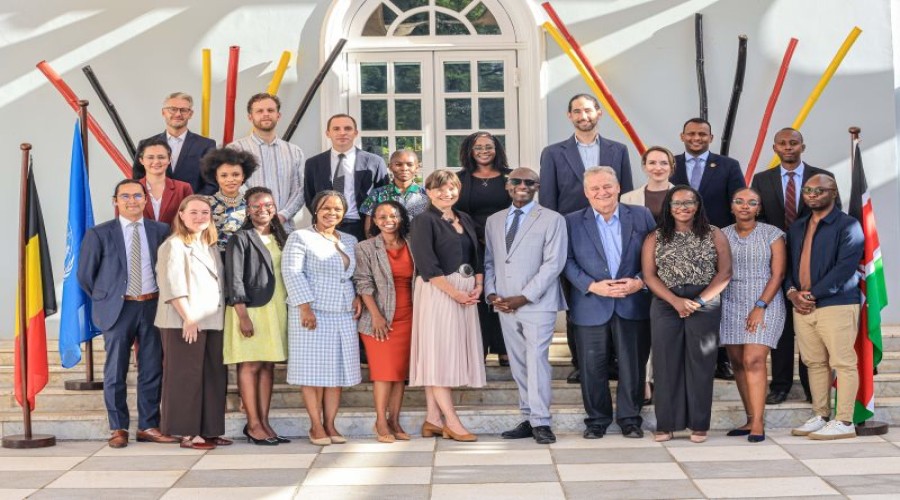
By: Nana Appiah Acquaye
A
high-level policy roundtable focusing on the environmental sustainability of
artificial intelligence systems has been convened in Nairobi under the
TechPlomacy Connective initiative. The meeting was co-hosted by Kenya’s Special
Envoy on Technology, Philip Thigo, and the Royal Embassy of Belgium in Nairobi,
with discussions centred on advancing implementation of the UNEA-7 Resolution
on the Environmental Sustainability of Artificial Intelligence Systems.

Participants
explored the growing intersection between AI innovation and environmental
stewardship, noting that artificial intelligence is increasingly deployed in
areas such as climate modelling, biodiversity monitoring, and environmental
risk prediction. While acknowledging AI’s transformative potential for
sustainable development, the dialogue also addressed the environmental
trade-offs associated with modern AI systems, including energy consumption,
water use for cooling, and material demands across the technology lifecycle.
The
roundtable emphasised the dual imperative reflected in the UNEA-7 Resolution:
scaling AI solutions for environmental protection while ensuring that AI
systems themselves are developed and deployed sustainably. Stakeholders
underscored the need to translate policy frameworks into practical mechanisms,
partnerships, and measurable outcomes.
Key
priorities identified during the discussions included the development of a
Stocktake Report to map existing initiatives, gaps, and actionable
opportunities. Participants also highlighted collaboration on priority use-case
development, with early warning systems emerging as a critical focus area where
timely intelligence can support disaster preparedness, protect livelihoods, and
strengthen ecosystem resilience.

Further
deliberations pointed to the importance of structured dialogue with
Multilateral Environmental Agreements (MEAs) to align policy approaches and
identify opportunities for joint programming. Capacity-building initiatives
aimed at enhancing AI and environmental fluency among diplomats stationed at
the United Nations Environment Programme (UNEP) were also discussed as part of
broader efforts to strengthen policy coherence and technical understanding.
The
engagement reflects increasing global attention on the environmental
implications of digital technologies, as governments and international partners
seek to balance technological advancement with sustainability objectives.
Organisers described the roundtable as a step toward fostering coordinated
international action on responsible and environmentally sustainable AI
development.