Mozambique telecom regulator INCM holds discussions with Angola’s INACOM during working visit
Date: 2026-02-17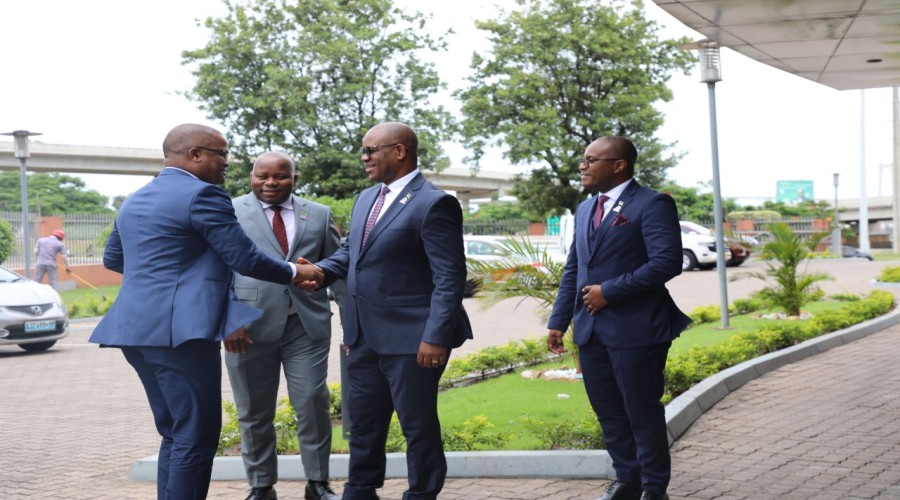
By: Kanto Kai Okanta
The
Communications Regulatory Authority of Mozambique (INCM) has reinforced its
institutional collaboration with the Angolan Communications Institute (INACOM)
following a two-day working visit held from February 16 to 17, 2026.
The
engagement, hosted by INCM, forms part of ongoing efforts to deepen bilateral
cooperation in communications regulation and promote knowledge exchange between
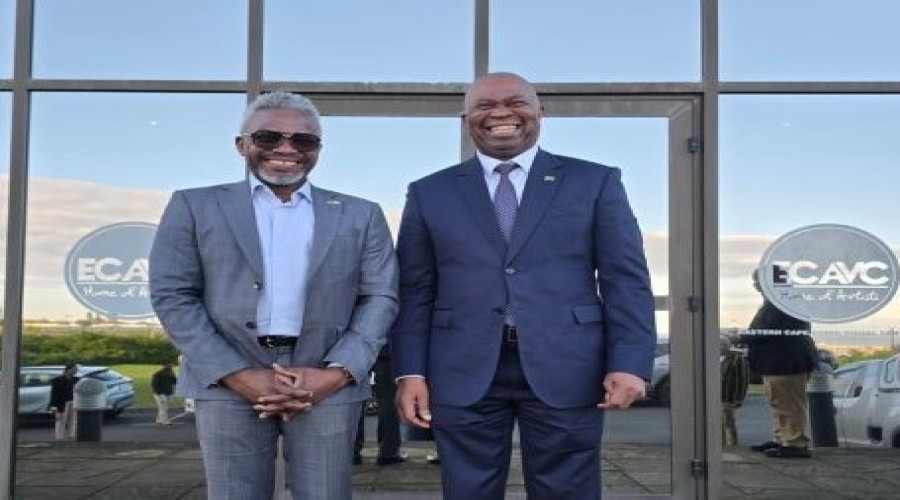
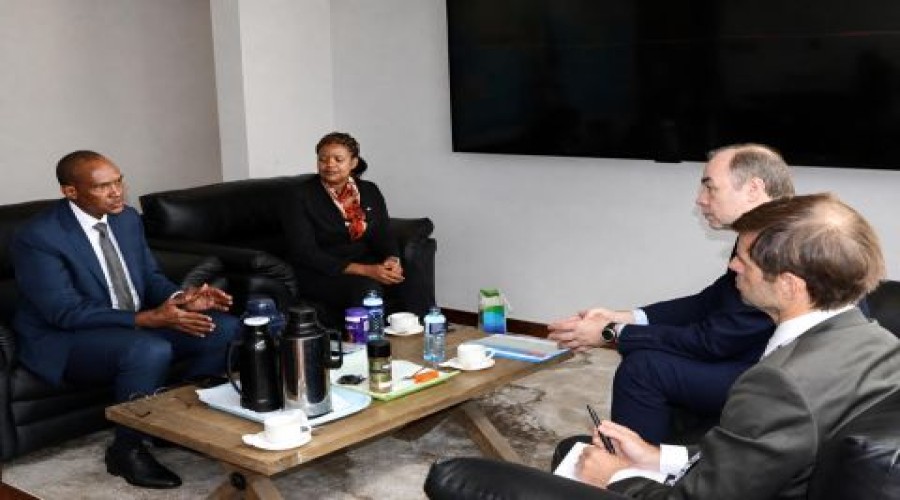
Mozambique and Angola. The meeting was led by the Chairpersons of the Boards of
Directors of both institutions, Helena Fernandes of INCM and Joaquim Domingos
Muhongo of INACOM, alongside senior strategic managers.
Proceedings on the first day centered on presentations by both regulators outlining their institutional mandates, strategic priorities, regulatory reforms, and sectoral challenges within an increasingly digitalized communications landscape.
As
part of the technical agenda, the INACOM delegation toured INCM’s operational
facilities, facilitating detailed discussions on telecommunications traffic
control, startup incubation initiatives, roaming frameworks, pricing
regulation, and satellite services oversight.
Speaking
during the visit, INCM Chairwoman Helena Fernandes underscored several critical
challenges facing Mozambique’s communications sector. These include expanding
telecommunications infrastructure to achieve universal population coverage,
broadening digital television reach, enhancing the security and resilience of
networks, regulating emerging technologies, implementing a national postal
addressing system, and promoting access to affordable communication devices.

Satellite services featured prominently in the discussions, with Angola’s operational experience providing a focal point. Angola’s Angosat-2 satellite, launched in 2022, was highlighted as a valuable reference for Mozambique’s evolving satellite regulatory framework.
INACOM
Chairman Joaquim Domingos Muhongo shared insights into the management of
Angosat-2 services, emphasizing sustainability strategies, licensing
mechanisms, and initiatives designed to support small-scale providers and
startups. He noted that while the satellite initially prioritized state
institutions, services are now progressively expanding into commercial markets.
Both
regulators reaffirmed a shared commitment to fostering modern, efficient, and
innovation-driven regulatory environments capable of supporting technological
advancement, protecting consumers, and ensuring sustainable competition.
The
final day of the visit is expected to focus on digital transformation
initiatives, service quality management, equipment certification, and radio
spectrum monitoring—areas identified as central to strengthening regulatory
effectiveness amid rapid technological change.