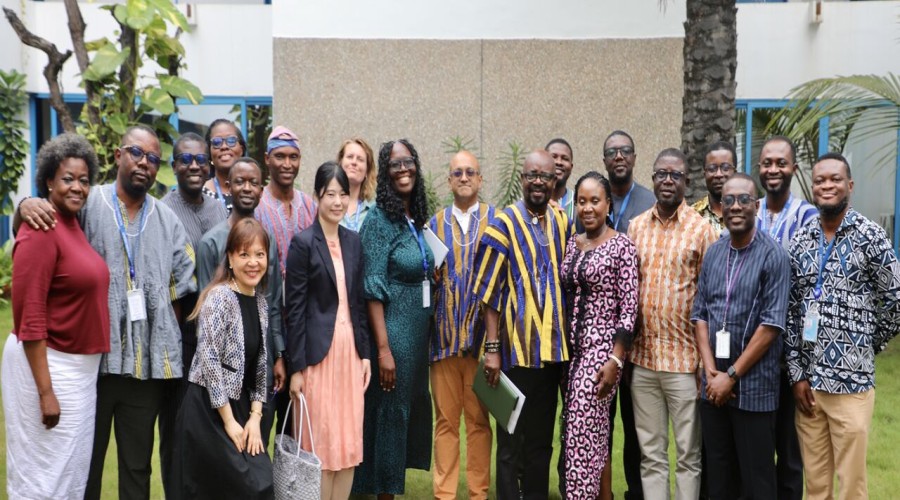
UN-SPIDER Concludes Regional Training on Space-Based Disaster Risk Management in East Africa
Date: 2026-02-20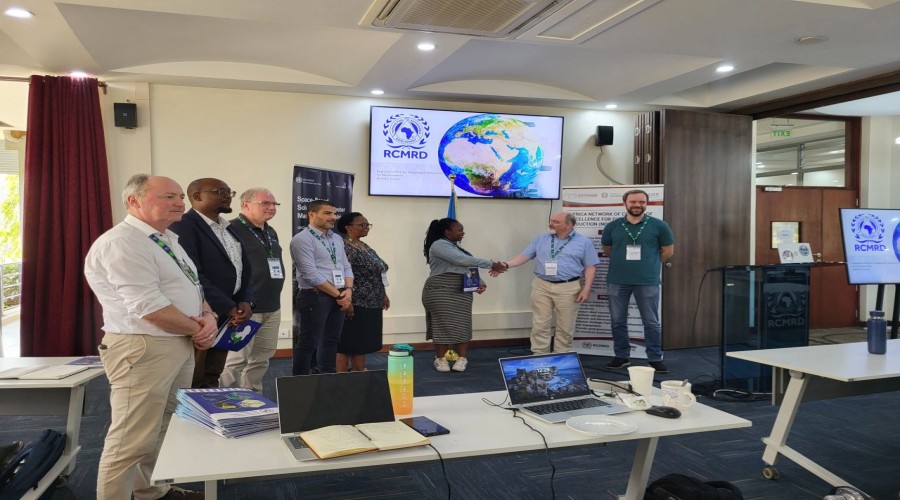
By: Nana Appiah Acquaye
The
United Nations Platform for Space-based Information for Disaster Management and
Emergency Response (UN-SPIDER) has concluded a 3.5-day regional training
programme aimed at strengthening the use of space-based information for
disaster risk management across East Africa.
The
training brought together 59 participants from nine countries, including Kenya,
Mozambique, Uganda, Burundi, Rwanda, Somalia, Tanzania, Ethiopia, and Germany.
Attendees represented a range of professional backgrounds, including project
management, early warning systems, value-added geospatial services, and remote
sensing analysis.

According
to organizers, the programme combined technical presentations, practical
discussions, and peer exchange, with a focus on operational cooperation and
real-world application of space-derived data throughout the disaster management
cycle.
Sessions
covered UN-SPIDER’s work across prevention, preparedness, response, and
recovery, alongside expert contributions on recommended practices and the
application of geospatial tools. Additional discussions examined international
emergency response mechanisms, institutional disaster response structures
within African countries, and regional coordination frameworks.
Representatives
highlighted the importance of early warning systems and the role of continental
initiatives supporting disaster preparedness and response. Contributions from
regional and continental institutions underscored the need for strengthened
collaboration among stakeholders operating at national, regional, and
international levels.

On
the final day, participants engaged with experts from the African Union
Commission and regional coordination bodies, who shared perspectives on
enhancing cooperation across governance structures.
Organizers
noted that the exchange of national experiences fostered meaningful regional
dialogue and generated practical ideas for improving coordination. Beyond
technical capacity building, the training emphasized the value of professional
networks in supporting more integrated and resilient disaster risk management
efforts across the region.