By: Nana
Appiah Acquaye
The African Medicines Agency
(AMA) has called for stronger and more predictable pharmaceutical regulatory
systems to support local manufacturing and advance pharmaceutical sovereignty
across Africa.
The call was made during a
High-Level Ministerial Dialogue on regulatory systems strengthening and local
pharmaceutical manufacturing held on the sidelines of the 76th session of the
WHO Regional Committee for Africa.
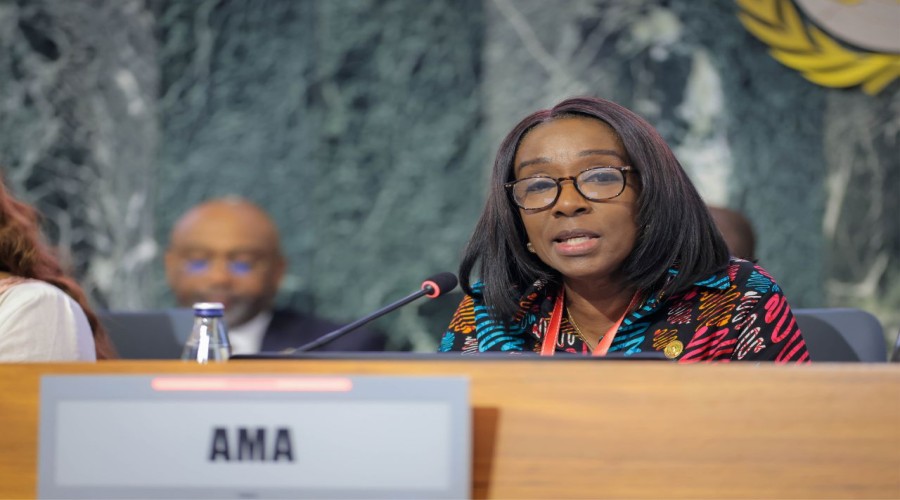
AMA Director General, H.E.
Dr Delese Mimi Darko, joined Ministers, the World Health Organization (WHO),
pharmaceutical manufacturers and development partners for discussions on
strengthening regulatory systems and creating an enabling environment for local
pharmaceutical production.
Dr Darko stressed that
establishing pharmaceutical factories alone would not be sufficient to achieve
pharmaceutical sovereignty, noting that manufacturers are more likely to invest
where regulatory processes are predictable and efficient.
She identified strong
National Regulatory Authorities, harmonised regulatory requirements, early
engagement between manufacturers and regulators, functioning quality-control
laboratories and effective post-market safety systems as essential elements of
a reliable pharmaceutical ecosystem.
Through its Regulatory
Innovation and Manufacturing Readiness Hub, AMA is working to translate these
priorities into practical support for manufacturers. The initiative helps
manufacturers understand regulatory pathways at an early stage, before major investment
decisions are made, with the aim of reducing avoidable regulatory delays.
Dr Darko outlined four key
priorities for strengthening Africa’s pharmaceutical manufacturing ecosystem.
These include strengthening regulatory systems, making reliance and
harmonisation part of routine regulatory practice, aligning procurement
policies with local manufacturing objectives, and bringing together partners to
develop a predictable and quality-driven African pharmaceutical market.
The dialogue provided an
opportunity for AMA to strengthen engagement with Member States, WHO, industry
stakeholders and development partners on regulatory cooperation and local
pharmaceutical manufacturing.