By: Kanto Kai Okanta
Kenya is advancing plans to
build a more integrated and intelligent digital government by enabling
government systems to communicate, securely share data and coordinate public
services across institutions.
The State Department of ICT
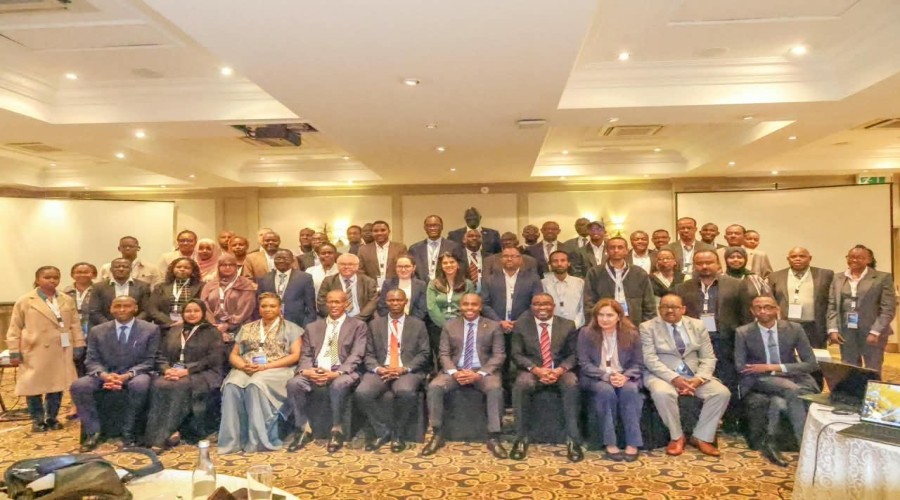
and Digital Economy outlined the approach at WSO2Con Africa 2026, held at the
JW Marriott Nairobi under the theme “Building the Agentic Enterprise.”
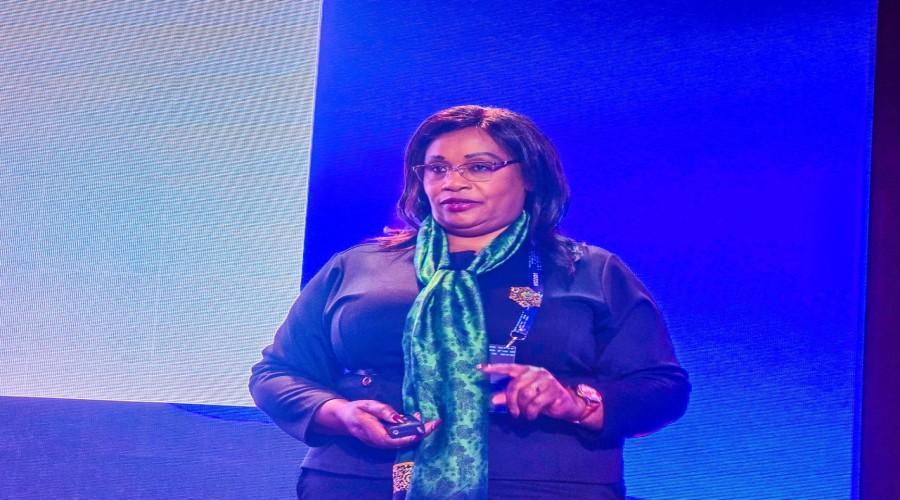
Principal Secretary for ICT and Digital Economy Eng. John Kipchumba Tanui represented
at the event by Secretary for ICT, Digital Economy & Emerging Technologies
Mary Kerema, OGW, delivered the State Department’s address on Kenya’s digital
government journey.
According to Tanui, Kenya
has made significant progress through platforms such as eCitizen, but the next
frontier is strengthening the backend systems that support public service
delivery.
He said the focus is on
enabling government systems to communicate, share data securely and orchestrate
services seamlessly across institutions. The objective is to ensure that
citizens do not need to understand government architecture to access public services,
with the experience instead being simple, unified and centred on the outcome
they require.
Kenya is therefore advancing
towards a unified government operations fabric supported by an Enterprise
Platform capable of orchestrating data and services through secure application
programming interfaces (APIs).
Tanui said the introduction
of agentic artificial intelligence must be accompanied by trust, accountability
and security. While AI can analyse information, recognise patterns and support
decisions, accountable human judgement remains essential.
He said Zero Trust should
become a foundational principle for autonomous AI systems, with clear
guardrails governing data access, action authorisation, auditability, error
handling and human escalation.
The transition, he said,
represents a shift from software that waits for instructions to systems capable
of pursuing authorised outcomes, moving beyond automation towards technology
that can reason, coordinate and act within defined boundaries.
By combining computing
capacity, trusted data, secure APIs, AI and localised language technologies,
Kenya aims to move beyond legacy constraints and build government services that
are more responsive, transparent and efficient.
Tanui said the objective is
not simply to automate government tasks but to redesign government operations
around intelligence and deliver better outcomes for citizens.
He also expressed
appreciation to the WSO2 team led by Dinal Gooneratne, Vice President and
General Manager Africa, as well as technology leaders and ecosystem partners,
for creating platforms such as WSO2Con Africa where government and industry can
collectively shape Africa’s next digital frontier.