By: Kanto
Kai Okanta
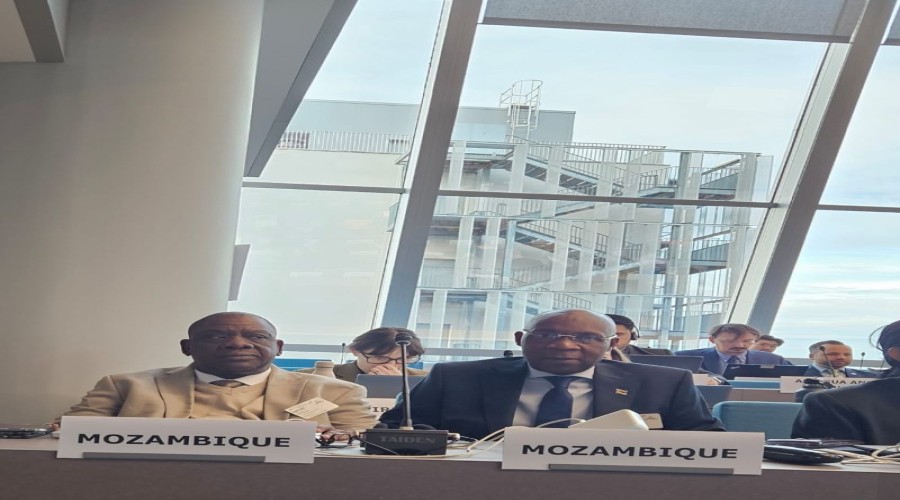
Mozambique has participated in
the 35th Plenary Session of the Convention on Cybercrime (T-CY) Committee, held
at the headquarters of the Council of Europe in Strasbourg, France, to follow
international debates on cybersecurity and cooperation in the fight against
digital crimes.
The country is represented
by the National Institute of Information and Communication Technologies (INTIC,
IP). The session brings together representatives of States Parties and
observers to review current and emerging cybercrime challenges and measures to
strengthen international cooperation in investigating crimes committed through
digital technologies and accessing electronic evidence.
One of the main items on the
agenda is the 25th anniversary of the Budapest Convention on Cybercrime,
providing an opportunity to assess the evolution of the international
cooperation framework and its capacity to respond to new digital threats.
Discussions also cover the
legal, political and technological challenges of digital transformation,
including the use of artificial intelligence, quantum-resistant cryptography
and the protection of human rights in the application of criminal investigative
measures.
The session is also
examining the relationship between cybercrime, electronic evidence and
artificial intelligence, as well as the operationalisation of the Second
Additional Protocol to the Convention, which aims to strengthen cooperation and
the disclosure of electronic evidence. These issues are particularly relevant
as the cross-border nature of digital crime requires greater coordination
between countries, competent authorities and international organisations.
Another focus is online scam
centres and other forms of organised crime facilitated by digital technologies,
including links to human trafficking, money laundering and the use of virtual
assets. Participants are also discussing the use of virtual assets in
cybercrime, the prevention of cyberviolence and the strengthening of
institutional capacities to respond to these challenges.
The work includes an update
on the drafting of a comprehensive United Nations convention to combat the use
of information and communication technologies for criminal purposes, alongside
the sharing of experiences on the signing, ratification and implementation of
international instruments to combat cybercrime.