By: Nana
Appiah Acquaye
The African Centre of
Meteorological Applications for Development (ACMAD) has called for sustained
investment, stronger institutional capacity and regional collaboration to
accelerate the use of artificial intelligence (AI) in weather and climate
forecasting across Africa.
The call was made at the
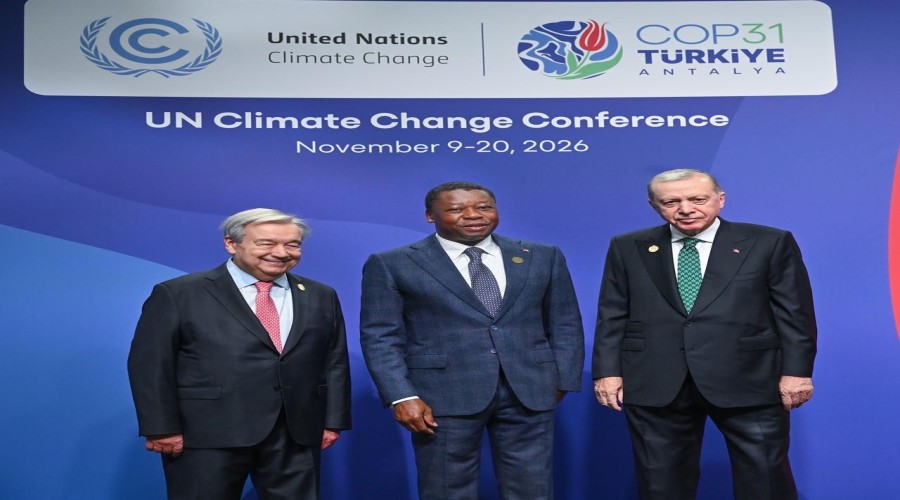
31st United Nations Climate Change Conference (COP31) on November 11, 2026,
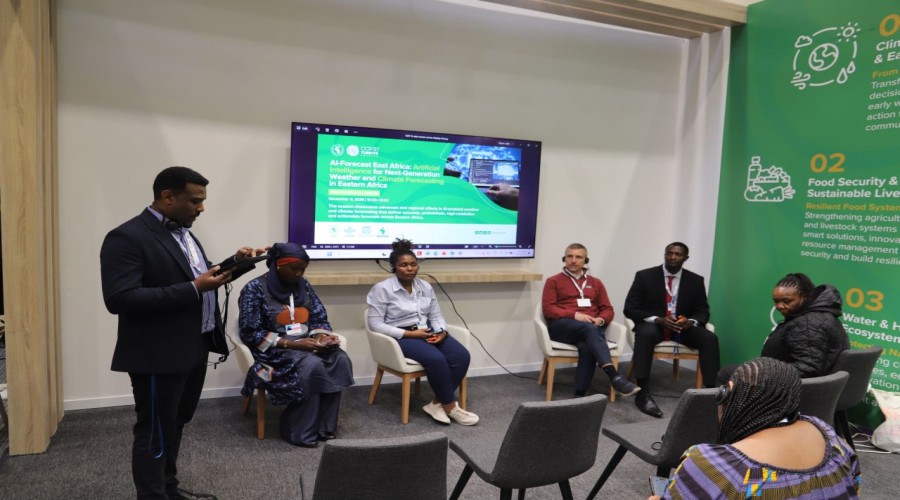
during a session titled “AI-FORECAST East Africa: Artificial Intelligence for
Next-Generation Weather and Climate Forecasting in Eastern Africa”.
The session, led by the IGAD
Climate Prediction and Applications Centre (ICPAC), in collaboration with
NORCAP, part of the Norwegian Refugee Council, and CGIAR, showcased regional
efforts to deliver accurate, probabilistic, high-resolution and actionable
weather and climate forecasts across Eastern Africa.
Representing ACMAD as a
panellist, Dr Patrick Kinyua highlighted three priorities for translating AI
innovation into operational weather and climate services: building practical
skills, developing and testing forecasting solutions with national and regional
institutions, and providing shared data to support the development, validation
and operational use of AI models.
On skills development, Dr
Kinyua pointed to initiatives such as the African Summer School on AI for
Weather and Climate Modelling as important platforms for strengthening
technical expertise and building the capacity of African institutions to apply
AI in meteorological services.
He also emphasised the need
to co-develop and test AI forecasting pilots with National Meteorological and
Hydrological Services (NMHSs) and Regional Climate Centres (RCCs), while
ensuring access to shared data to support model development, validation and
operational deployment.
ACMAD said artificial
intelligence can accelerate progress towards the global Early Warnings for All
initiative when African institutions have the capacity, data and partnerships
needed to apply the technology operationally.
However, it stressed that
translating AI's potential into services that protect communities requires
practical skills, collaboration and sustained investment.
“Predictable, sustainable
investment is essential to sustain these efforts and make AI an effective tool
for enhancing weather and climate services supporting timely decisions and
early action that protects lives and livelihoods,” the Centre stated.
The Centre's intervention
highlights the growing importance of AI in strengthening Africa's capacity to
anticipate weather and climate risks, improve forecasting services and support
early action to protect communities and livelihoods.