By: Nana
Appiah Acquaye
The Global System for Mobile
Communications Association (GSMA) has highlighted progress in clean energy,
climate resilience and artificial intelligence at the 31st United Nations
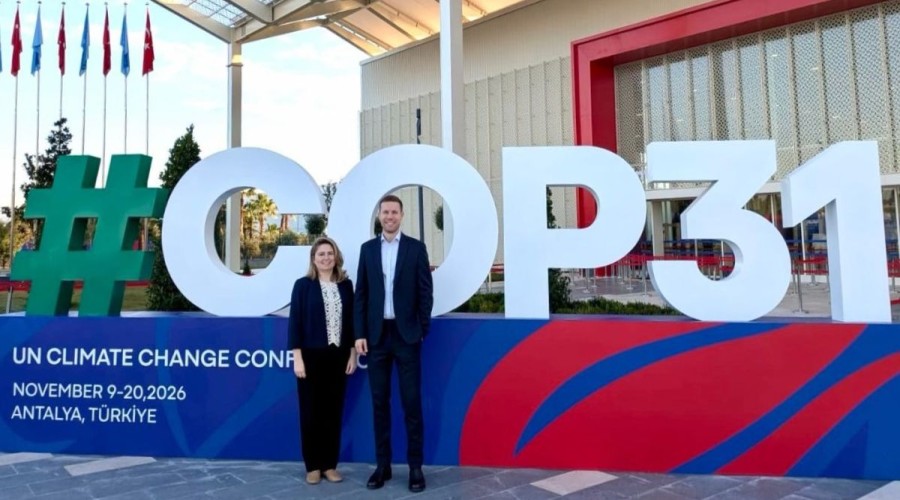
Climate Change Conference (COP31) in Antalya, Türkiye, despite the conference
closing without an overall agreement.
The mobile industry
association identified growing national commitments to electrification,
increasing business demand for clean power and the recognition of climate
change as a security issue among the key developments emerging from the
conference.
According to the GSMA, 75
countries backed the 35 by 35 pledge, which supports national efforts to
accelerate the transition to clean electricity. It also noted that businesses
are increasingly willing to purchase clean power, making access to renewable energy
a more pressing challenge than demand.
The association further
observed that climate resilience, energy security and climate action are
increasingly being treated as interconnected challenges.
During the conference, the
GSMA also advanced discussions on the role of telecommunications infrastructure
in supporting climate action and strengthening resilience against extreme
weather events.
At its hybrid Futureproofing
Connectivity session, Steven Moore presented new GSMA research indicating that
damage to mobile networks caused by extreme weather could cost operators around
$3 billion annually by the middle of the century.
The association also joined
Turkcell and other partners for a session titled “Connectivity and Clean
Power”, which examined how the telecommunications industry could contribute to
achieving the 35 by 35 clean energy ambition and advance efforts beyond the
target.
In another development, the
GSMA signed the Antalya AI Pledge, a voluntary framework aimed at advancing
artificial intelligence's contribution to climate action while ensuring that
the systems and infrastructure supporting the technology become more sustainable.
The pledge was signed
alongside the International Telecommunication Union (ITU) and other partners
through the Green Digital Action initiative.
Reflecting on the conference
outcomes, the GSMA said the absence of an overall agreement would not change
the mobile industry's commitment to climate action.
Through its Climate Action
Taskforce, mobile network operators continue to raise their climate ambitions,
reduce emissions and build more resilient networks for the future.
However, the association
stressed that further progress would require governments to improve access to
renewable energy and stronger collaboration among partners across the value
chain.