Central Bank of Nigeria unveils fourth edition of Foreign Exchange Manual
Date: 2026-05-16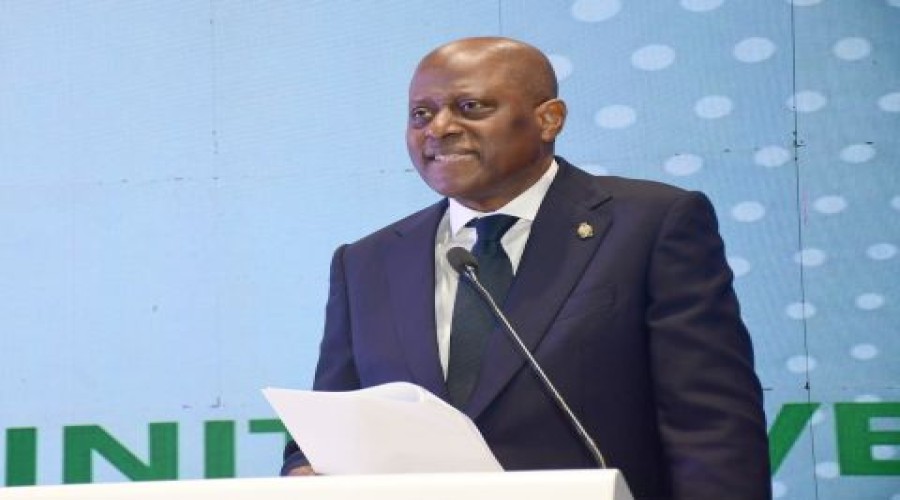
By: Nana Appiah Acquaye
The Central Bank of Nigeria has
unveiled the Fourth Edition of its Foreign Exchange Manual as part of efforts
to strengthen transparency, improve market efficiency, and reinforce confidence
in Nigeria’s foreign exchange system.
Governor Olayemi Cardoso
announced during the launch that the revised Foreign Exchange Manual will take
effect from June 1, 2026, and will be distributed free of charge to authorised
dealers to support smooth implementation, compliance, and operational efficiency
across the market.
According to the Central
Bank, the revised manual aligns with international best practices and reflects
the institution’s commitment to modernising Nigeria’s foreign exchange
administration through greater clarity, consistency, accountability, and transparency.
Speaking at the unveiling
ceremony, Governor Cardoso said the launch of the updated manual demonstrates a
collective commitment to strengthening Nigeria’s macroeconomic foundations and
enhancing confidence in the country’s foreign exchange market.

He explained that the
revised framework was developed through an extensive consultative process and
technical review involving banks, corporates, and other key market
participants. The collaborative approach, he noted, has been positively
received by stakeholders seeking a more credible and efficient foreign exchange
ecosystem.
The Governor further called
on both public and private sector stakeholders to demonstrate professionalism,
commitment, and compliance in implementing the revised framework effectively.
He also assured market
participants that the Central Bank would continue to provide the necessary
guidance and support throughout the implementation phase to ensure clarity and
stability within the foreign exchange market.
Governor Cardoso emphasized
that strong monitoring mechanisms based on consistency, fairness, and
accountability are essential to sustaining market confidence and preserving the
credibility of Nigeria’s foreign exchange regime.