RAIL expands robotics and AI training to promote inclusive education in Ghana
Date: 2026-05-17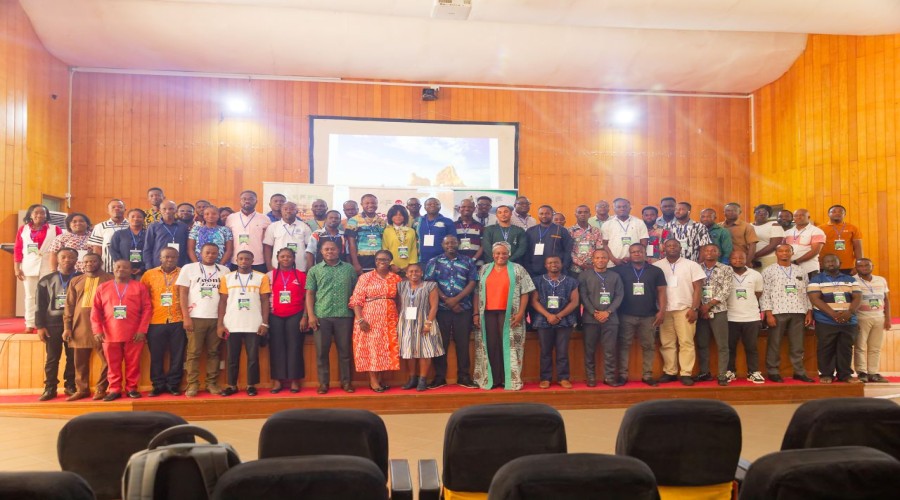
By: Kanto Kai Okanta
The Responsible AI Lab has
organised its second in-person robotics training programme for mentors as part
of efforts to strengthen inclusive artificial intelligence and robotics
education across Ghana.
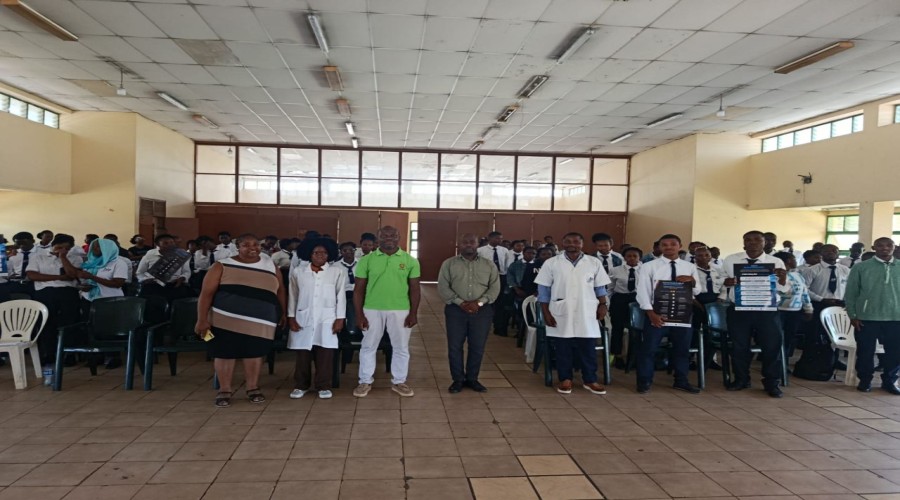
The training brought together mentors from 22 schools, SHECodes trainers from Takoradi Technical University and Kumasi Technical University, as well as regional Science, Technology, Mathematics and Innovation Education coordinators under the Responsible AI Lab Phase II and Artificial Intelligence for Sustainable Development projects in partnership with the Ghana Education Service.
The programme adopted a
Training of Trainers model aimed at equipping participants with practical
robotics and AI skills, ethical understanding, and the capacity to train
learners and support community-driven innovation initiatives.
Delivering remarks on behalf
of the Provost of the KNUST College of Engineering, Prof. Kwadwo Mensah-Darkwa
stressed the importance of preparing learners for a rapidly evolving
technological environment shaped by artificial intelligence.
According to him, the education sector has a significant opportunity to use AI and emerging technologies to improve teaching and learning outcomes while addressing existing educational gaps. He also reaffirmed the College’s commitment to supporting collaborations in research, training, and knowledge exchange to sustain the programme’s long-term impact.

Head of the Gender,
Inclusion and Vulnerability Office at KNUST, Prof. Mercy Badu, highlighted the
need for intentional inclusion of students with disabilities and vulnerable
learners in AI-driven education initiatives.
She noted that while
barriers such as inaccessible learning materials, limited assistive
technologies, and social exclusion continue to affect many students with
disabilities, artificial intelligence can help address these challenges through
tools such as screen readers, adaptive learning platforms, real-time
transcription systems, and remote learning technologies.
Lead of the Women in
Technology and AI in Education Theme, Prof. Eunice Akyereko Adjei, provided an
overview of ongoing initiatives under the programme, including the SHECodes
initiative, the RAIL Robotics Club, mentorship and career guidance programmes,
and collaborations with women-focused STEM organisations.
Mr. Emmanuel Acheampong also shared the impact of the RAIL Robotics Club at Ayeduase Roman Catholic Primary School in Kumasi, explaining that students who previously had little exposure to robotics and artificial intelligence became motivated to pursue science-related subjects after interacting with robotics technologies introduced through the initiative.
The training forms part of
broader efforts to promote responsible artificial intelligence, digital
inclusion, and STEM education development in Ghana through collaborative
partnerships between academia, educators, and technology-focused organisations.