Africa50 and AfDB advance asset recycling agenda to unlock billions in infrastructure financing
Date: 2026-05-26
By: Nana Appiah Acquaye
Africa50
and the African Development Bank Group (AfDB) have intensified efforts to
position asset recycling as a viable mechanism for mobilizing domestic capital
to finance infrastructure across Africa, as governments face increasing
pressure to expand development without escalating sovereign debt.
The
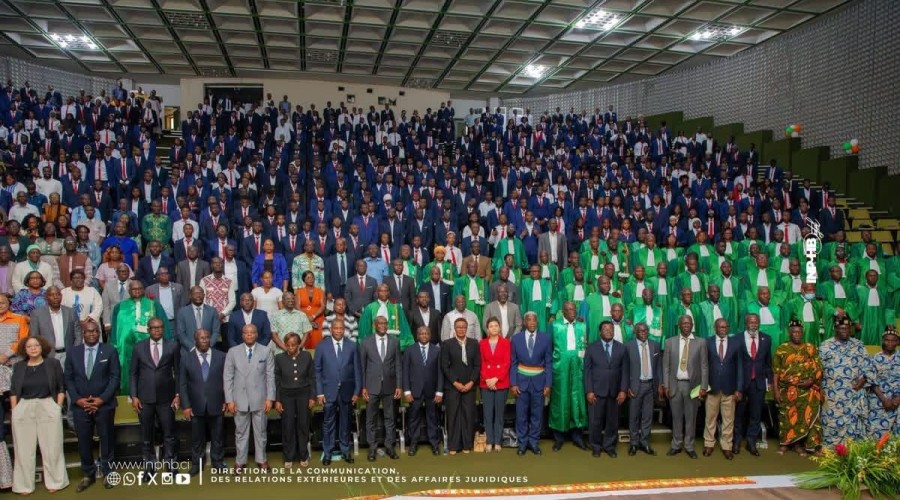
initiative was the focus of a high-level roundtable held in Brazzaville during
the African Development Bank Annual Meetings, bringing together Ministers of
Finance, sovereign wealth funds, institutional investors, infrastructure fund
managers, and development finance institutions. The discussions centered on how
governments can unlock the value of mature public infrastructure assets and
reinvest proceeds into new priority projects.

Asset
recycling, as presented in the forum, involves the monetization of existing
infrastructure assets that have reached operational maturity, allowing
governments to raise capital upfront while transferring operational
responsibilities or leveraging private sector participation. Proponents argue
that the approach can help bridge Africa’s infrastructure financing gap by
tapping into underutilized public balance sheets without increasing fiscal
burdens.
Participants
at the roundtable emphasized three core priorities: positioning asset recycling
as a practical infrastructure financing tool, strengthening direct engagement
between governments and investors to structure bankable transactions, and
advancing policy and institutional reforms needed to scale the model beyond
isolated deals into coordinated national programs.

The
discussions reflected growing consensus among public and private sector actors
on the need for innovative financing approaches. According to organizers, the
engagement reinforced momentum around asset recycling as an emerging pillar
within Africa’s broader infrastructure financing strategy, with potential to
significantly expand funding for transport, energy, and social infrastructure
projects across the continent.