Ghana journalists receive training to strengthen digital and science reporting
Date: 2026-03-15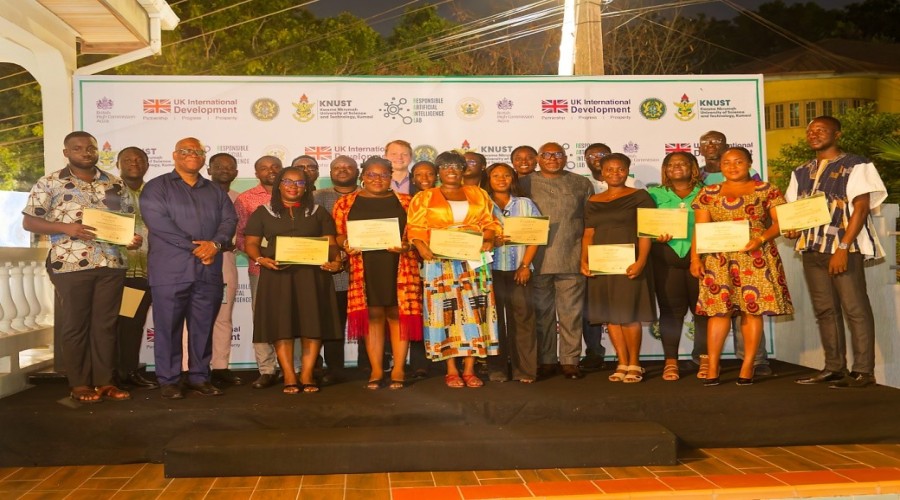
By: Afia Agyapomaa Ofosu
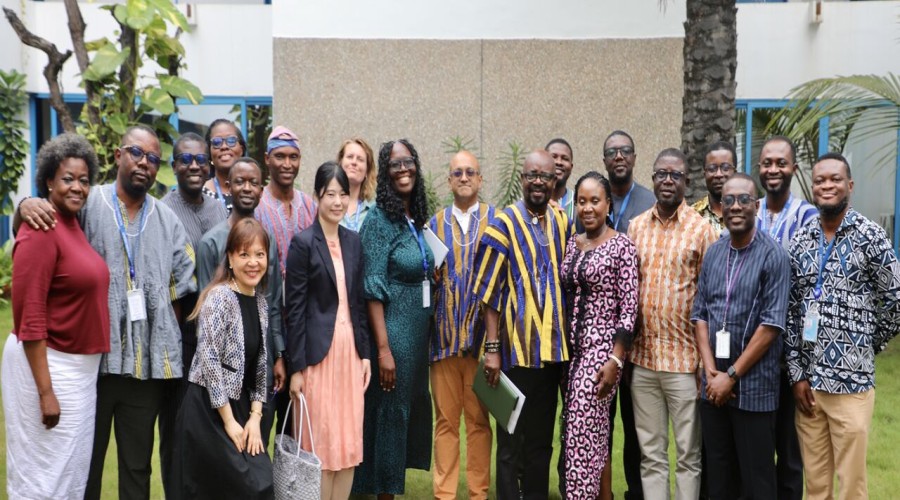
Journalists from across Ghana have completed a
capacity-building programme aimed at strengthening media coverage of science,
technology, and digital innovation.
The training, titled Capacity Building for Media
Excellence in Science, Technology and Innovation Reporting, brought together 25
journalists in Accra to deepen their understanding of scientific research and
improve how complex technological developments are communicated to the public.
The programme was organized through a partnership
involving the Kwame Nkrumah University of Science
and Technology, the Responsible Artificial
Intelligence Laboratory, the British High
Commission in Ghana, and UK International
Development.
Participants engaged with scientists,
innovation experts, and digital technology specialists to explore practical
approaches to reporting on emerging technologies, artificial intelligence, and
research-driven innovation. Discussions focused on helping journalists
translate complex scientific concepts into accessible language while
maintaining accuracy and context.

Jerry John Kponyo of the Responsible Artificial Intelligence Laboratory
Speaking during the training, Jerry John Kponyo of the Responsible Artificial Intelligence Laboratory (RAIL), KNUST emphasized the importance of communicating scientific research in ways that ordinary citizens can understand and apply in everyday life, including sectors such as agriculture and productivity.
Abigail
Opoku-Mensah of
the Ghana National Research Fund
highlighted the critical role journalists play in bridging the gap between
scientific discovery and society, describing science reporters as an important
part of the knowledge ecosystem.
Experts at the training also stressed
the need for journalists to verify research credibility, build strong
relationships with scientists, and understand the processes behind research and
technological innovation.

Mr. Johnson Singir, Science & Technology lead, British High
Commission Ghana
Sessions also addressed the growing
role of digital tools in journalism, including the responsible use of
artificial intelligence in reporting. Thomas
Amatey Tagoe of GH Scientific urged
journalists to use AI tools cautiously and verify information across multiple
sources to ensure accuracy.
Organizers
said the initiative aims to strengthen science and digital technology reporting
in Ghana by equipping journalists with the skills needed to communicate
research findings effectively and support public understanding of innovation
and technological progress.