Eswatini advances Green Finance Framework through stakeholder validation workshop
Date: 2026-05-17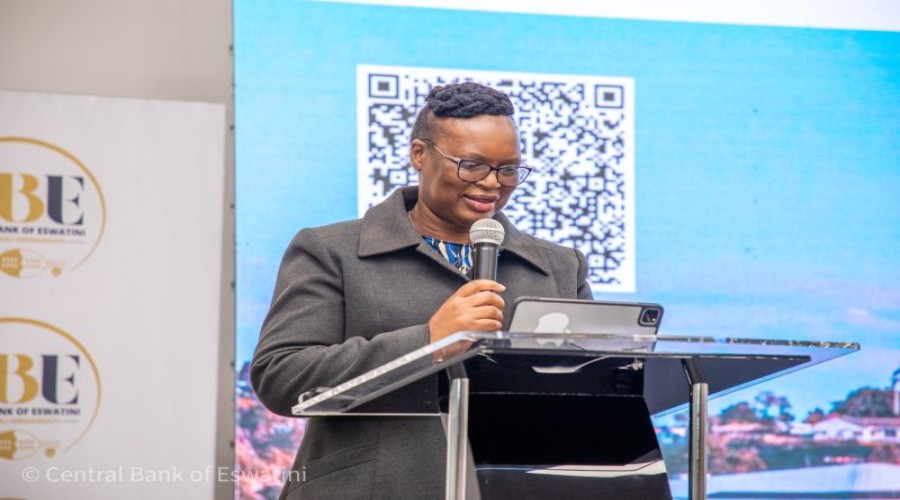
By: Nana Appiah Acquaye
The Central Bank of
Eswatini, in partnership with the United Nations Development Programme, has
held a stakeholder validation workshop on the proposed Eswatini Green Finance
Taxonomy as part of efforts to align the country’s financial sector with
national climate and environmental priorities.
The workshop was organised
to gather feedback from stakeholders to ensure that the Eswatini Green Finance
Taxonomy is practical, credible, and tailored to the country’s economic and
environmental realities.
Speaking during the opening
session, the Deputy Governor of the Central Bank of Eswatini, Felicia
Dlamini-Kunene said climate-related risks have direct implications for
financial stability and financial institutions, making sustainable finance
frameworks increasingly important for the country.

According to her, the
proposed taxonomy will provide a science-based classification system that
defines what qualifies as “green” within the context of Eswatini’s economy and
sustainability agenda.
She explained that the
framework is expected to guide banks, investors, policymakers, and other
financial sector stakeholders in directing capital toward projects that support
climate action, environmental sustainability, and green economic growth.
The initiative forms part of
broader efforts to strengthen sustainable finance systems and improve the
integration of climate considerations into financial sector decision-making.
Stakeholders at the workshop
also examined how the taxonomy could support investment transparency,
strengthen investor confidence, and facilitate the mobilisation of finance
toward environmentally sustainable projects across key sectors of the economy.