By: Nana Appiah Acquaye
The World Meteorological
Organization (WMO) has concluded its 80th Executive Council session, with
Secretary-General Celeste Saulo emphasizing the need to strengthen the
organization’s capacity to respond to growing global weather and climate
challenges.
Closing the meeting, Saulo
highlighted that while member states require a strong WMO today, an even
stronger institution will be necessary in the future to address increasing
demands in meteorological services, climate monitoring, and early warning systems.
She noted that technical
excellence and diplomacy remain central to the organization’s effectiveness,
stressing that the combination of both elements is essential for advancing
global meteorological cooperation and improving shared outcomes.
Saulo further underscored
the importance of global interdependence in addressing weather and
climate-related risks, stating that the most effective solutions are those
developed through collective international action.
According to the
Secretary-General, any institutional reforms within WMO must be guided by the
core objective of strengthening its ability to fulfil its unique global mandate
in weather, climate, and water-related services.
She expressed appreciation
to Executive Council members for their active engagement, openness, and
collaborative spirit throughout the session, and also acknowledged the
leadership of WMO President Dr. Abdulla Al Mandous for his role in guiding the
discussions.
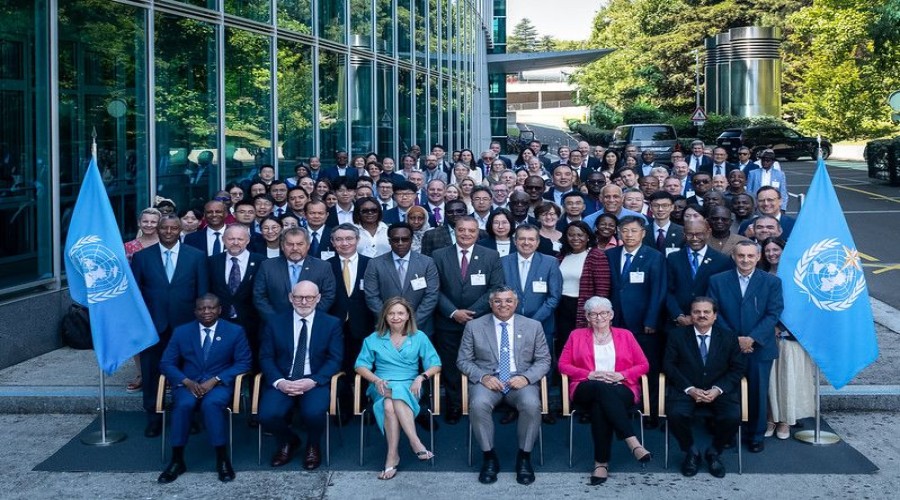
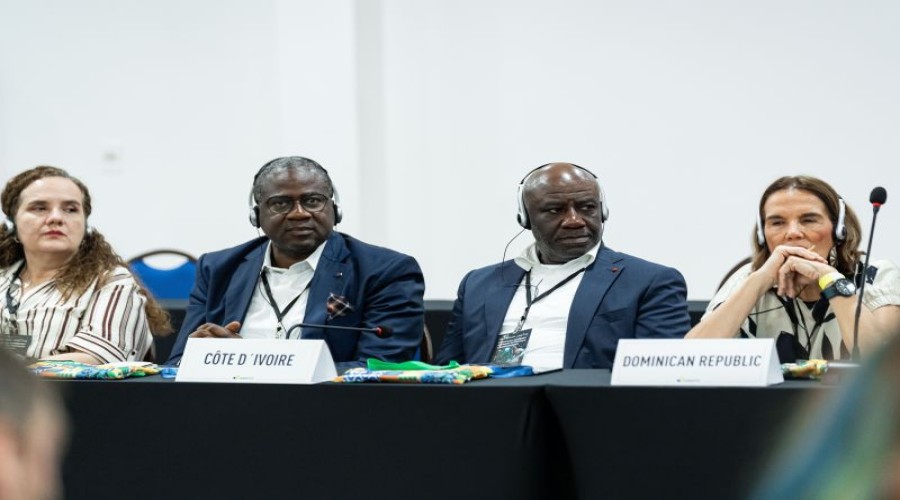
The meeting brought together
representatives from across the WMO membership to review strategic priorities,
strengthen governance frameworks, and enhance coordination on global
meteorological initiatives.
The organization reaffirmed
its commitment to supporting member states with reliable climate and weather
data, advancing early warning systems, and promoting