By: Nana
Appiah Acquaye
The Managing Director and
Chief Executive Officer of Nigerian Communications Satellite Ltd (NIGCOMSAT),
Jane Egerton-Idehen, has called for greater adoption of technology neutrality
as a pathway to achieving universal connectivity across Africa.
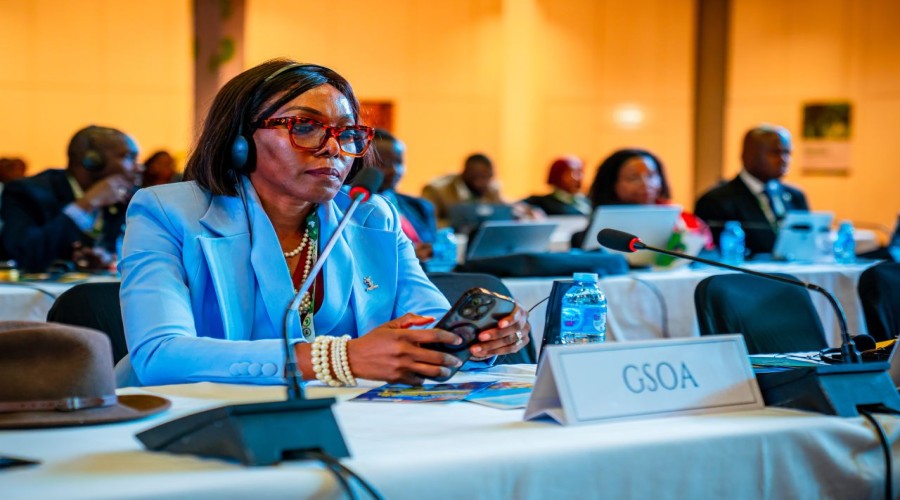
Speaking on the sidelines of
the 26th African Telecommunications Union (ATU) Conference of Plenipotentiaries
in Abuja, Egerton-Idehen highlighted the growing role of satellite technology
in supporting telecommunications services and expanding digital access to
underserved communities.
She explained that many
everyday digital experiences, including voice calls, messaging applications and
virtual meetings, may rely on satellite connectivity as part of the broader
communications infrastructure, even though users may not be aware of the technology
supporting their connections.
Egerton-Idehen said the
concept of technology neutrality should guide future connectivity policies,
with governments and regulators focusing on expanding access rather than
prioritising one technology over another.
According to her, fibre
networks, mobile infrastructure and satellite systems each have unique
strengths that can complement one another in building a more inclusive digital
ecosystem.
She noted that while fibre
provides high-capacity connectivity in urban areas and mobile networks serve
millions of users daily, satellite technology plays a critical role in reaching
remote and difficult-to-connect locations where traditional infrastructure
deployment may be costly or challenging.
The NIGCOMSAT CEO pointed to
the company’s recent collaboration with a mobile operator to successfully
backhaul mobile sites in North-East Nigeria as an example of how satellite
solutions can support the expansion of mobile coverage to underserved communities.
She stressed that the future
of connectivity should not be viewed as a competition between satellite and
terrestrial networks, but rather as a combination of technologies working
together to close connectivity gaps.