By: Robert
Kwaku Annor
Researchers, technology
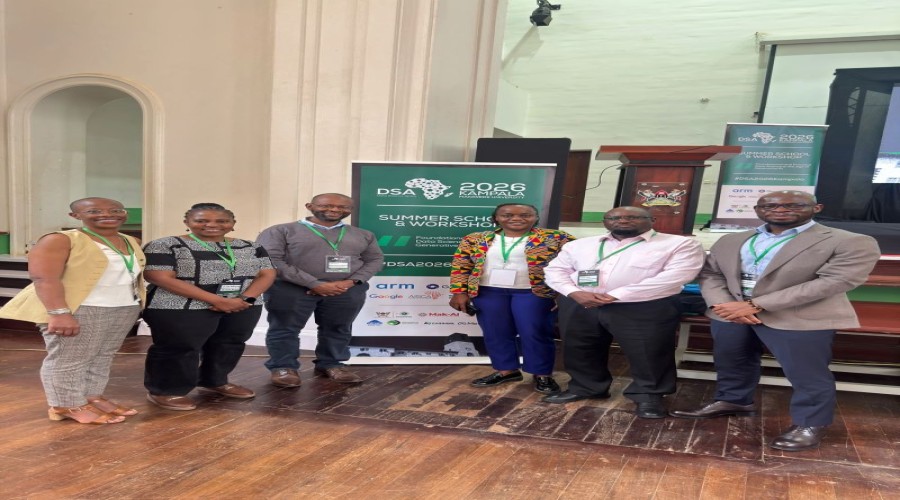
practitioners and industry leaders have gathered at the DSA 2026 Workshop to
explore practical and scalable artificial intelligence solutions tailored to
Africa’s unique development needs.
The fourth day of the
workshop marked the official commencement of the event’s technical sessions,
featuring discussions on AI infrastructure, African language models, data
challenges and emerging applications across different sectors.
The workshop opened with
remarks from DSA 2026 General Chair, Prof. Engineer Bainomugisha, and DSA Board
Chair, Prof. Ciira Maina, followed by a call from the Vice-Chancellor of
Makerere University for increased regional investment in artificial intelligence
infrastructure.
The Vice-Chancellor
described data as “the next oil” and urged stakeholders across Africa to match
the scale of AI investments being made in regions such as the United States and
Europe.
Delivering the opening
keynote, Dr. John Quinn of Sunbird AI discussed the future of African language
models, highlighting both the opportunities and challenges involved in
developing large language models that reflect the continent’s diverse
linguistic landscape.
The workshop also featured
research presentations covering areas including culturally aware AI solutions
for informal markets, satellite imagery analysis, Graph Neural Networks, AI
robustness and data-efficient computer vision for African environments.
Researchers participating in
the DSA Women Health Fellows programme also presented applied AI research
focused on addressing maternal and public health challenges.
Other sessions explored
emerging technologies such as Edge AI and its application in
resource-constrained environments. Gian Marco Iodice from Arm Ltd examined
techniques for deploying AI models on devices with limited computing power and
connectivity.
The Uganda Civil Aviation
Authority also shared insights into aviation datasets, including satellite
imagery, aerial LiDAR and aviation-related data resources that could support
future data science and aerospace projects.
The sessions concluded with
a panel discussion on “Data Scarcity, Uncertainty, and AI in African Contexts,”
moderated by Dr. Joyce Nakatumba Nabende, where experts examined the challenges
of developing AI systems in environments with limited access to high-quality
datasets.