By: Nana
Appiah Acquaye
Mozambique is examining the
potential of artificial intelligence to strengthen its cultural sector and
creative economy while addressing emerging concerns around intellectual
property, cultural identity and ethical technology use.
The issue was highlighted by
the President of the National Institute of Information and Communication
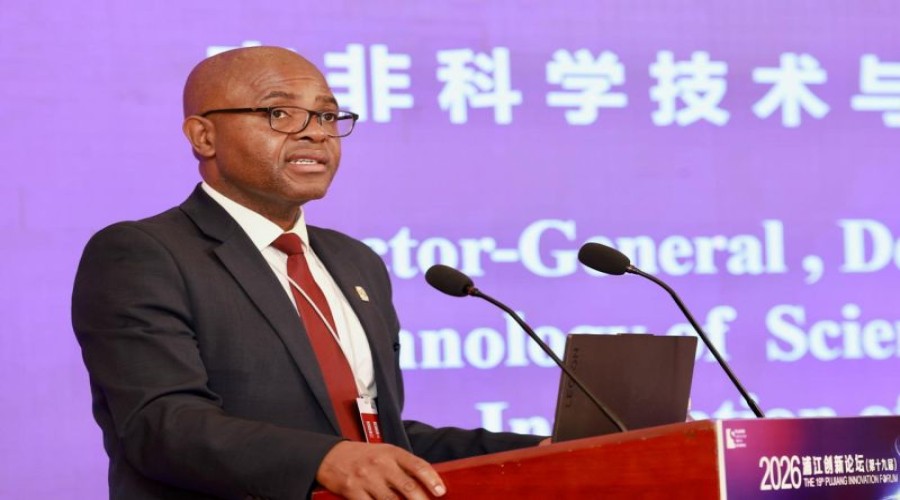
Technologies (INTIC, IP), Prof. Dr. Eng. Lourino Chemane, during the National
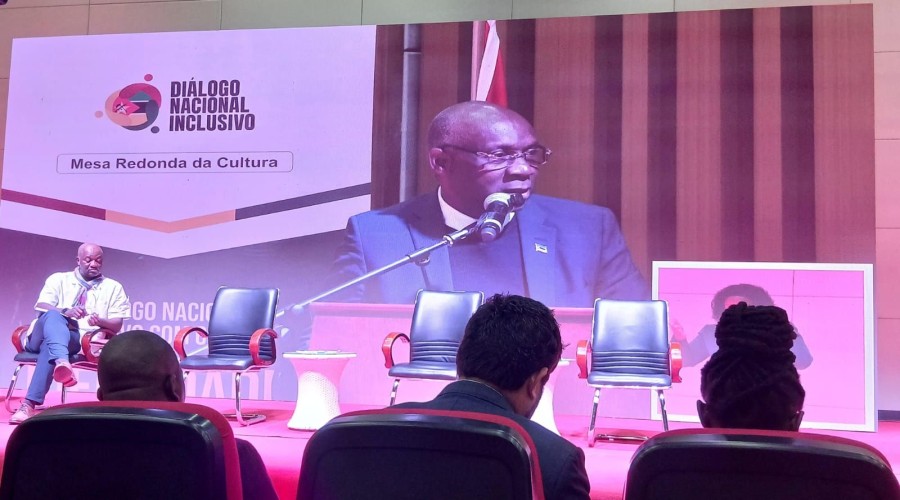
and Inclusive Dialogue on “Culture: Identity, Rights and Economy” held at the
Mozambique-China Cultural Center in Maputo.
Chemane, who participated as
a speaker, addressed the challenges and opportunities presented by AI in
Mozambique’s creative ecosystem, with particular attention to ethical
governance, algorithmic transparency and the protection of intellectual
property rights.
He said AI could provide new
opportunities for the development of Mozambican culture by stimulating
creativity and innovation, expanding access to cultural content, supporting
translation and content recommendations, and contributing to the preservation of
cultural heritage.
At the same time, the
growing use of AI presents challenges relating to copyright, intellectual
property, cultural data, identity and the transparency of algorithms used to
create, distribute and recommend content.
Chemane said these issues
underline the importance of ensuring that AI is developed and deployed in an
ethical, transparent, inclusive and responsible manner that protects creators
while preserving the cultural identity and economic value of creative works.
The approach is aligned with
Mozambique’s proposed National Strategy for Artificial Intelligence, which
provides guidelines for the ethical and responsible development and adoption of
AI. It also connects with other national frameworks, including the Information
Society Policy, the Strategic Plan for the Information Society and the Science,
Technology and Innovation Policy.
Chemane stressed that
collaboration between government, creators, academia, the private sector and
communities will be essential to ensuring that AI contributes meaningfully to
Mozambique’s cultural and economic development.
He also highlighted the
potential role of the National Observatory of Artificial Intelligence in
promoting transparency, building public trust and measuring the impact of AI
development and deployment in the country.