By: Nana Appiah Acquaye
Ghana’s fintech industry is
calling for greater financial inclusion, stronger consumer protection and
expanded access to digital credit, as industry leaders and regulators seek to
strengthen trust and extend financial services to underserved communities and
small businesses.
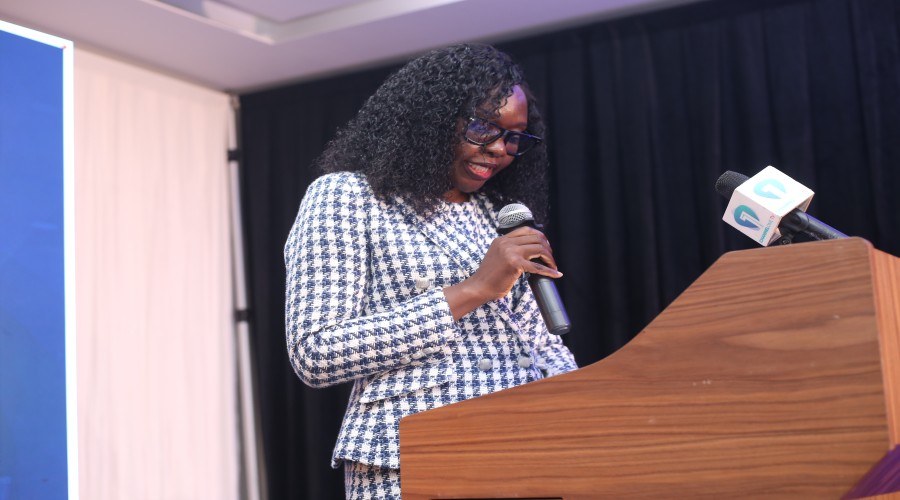
The calls were made at the
Fintech Media Development Series in Accra, held under the theme “Understanding
Fintech, Building Trust, Telling the Real Story,” where speakers highlighted
the need for collaboration, responsible reporting and innovation to support the
growth of the country’s digital financial services ecosystem.
Chief Executive Officer of
Mobile Money Fintech Limited, Haruna Shaibu, said the industry must focus not
only on business growth but also on improving financial health, protecting
customers and expanding opportunities for small businesses.
“Our mission remains very,
very simple, but very entrenched in the Ghanaian financial ecosystem,” he said,
noting that mobile money had evolved from a peripheral player into an important
part of Ghana’s financial system.
Shaibu said
micro-enterprises remained significantly excluded despite progress in expanding
digital financial services. He called for greater efforts to bring small
traders and entrepreneurs into the formal financial ecosystem, enabling them to
grow their businesses, create employment and contribute to Ghana’s economic
development.
Citing GSMA reports, he said
approximately 2.3 billion mobile money accounts existed globally, but only
about 600 million were active, indicating opportunities to increase the
frequency and range of digital transactions.
Chief Product and Services
Officer at MobileMoney Fintech Ltd, Mrs Sylvia Otuo-Acheampong, said the
company was working to digitise transactions across supply chains to expand
access to credit for small businesses and improve financial inclusion.
“Wherever money is exchanged
through the value chain, can it be digitized? Because once it is digitized, the
embedded that Shaibu spoke about, you are able to then embed credits in the
flow,” she said.
Otuo-Acheampong explained
that digitising transactions could enable businesses to access credit based on
their transaction histories and purchasing patterns, rather than relying solely
on conventional lending requirements.
Using the example of an
avocado seller, she said a trader who regularly sourced produce from a
distributor on the MobileMoney network could potentially receive goods on
credit based on transaction data and repeated purchases.
“If we know that where she
sources from that particular distributor of avocado in the marketplace is on
our network, so we know that she will pay,” she said.
“We have scored based on her
own transaction and repeated purchases because all that data is helping us
improve her scoring.”
She said the approach could
allow traders to collect goods on credit and repay after selling them, helping
address working capital challenges faced by small businesses.
Meanwhile, Anita Ayivi, Head
of the Licensing and Authorization Office at the Bank of Ghana’s Fintech and
Innovation Department, urged media organisations to verify the regulatory
status of digital financial service providers and ensure accurate reporting of
incidents involving fraud, cybersecurity and service disruptions.
Ayivi said responsible
reporting was essential to helping consumers make informed decisions and
maintaining confidence in legitimate digital financial services.
“We encourage the media to
take these checks as part of the reporting process and where the position is
unclear to seek clarification before publication,” she said.
She encouraged journalists
to consult the Bank of Ghana’s published information on licence categories,
licensing requirements and approved institutions before reporting on the
regulatory status of fintech companies.
Ayivi said the financial
sector and the media had become increasingly interconnected as financial
services grew more complex and consumers accessed products through channels
that had not existed a few years ago.
She stressed that
journalists needed to understand how Ghana’s digital financial ecosystem
operated, including the respective roles of regulators and industry players, to
help the public interpret developments accurately and in their proper context.
Chief Executive Officer of
Digital Chamber Ghana, Sylvia Ankomah, said the chamber was exploring the
establishment of a unified industry body to accommodate more players across the
country’s expanding fintech ecosystem.
She said the chamber was
looking beyond its original focus on dedicated electronic money issuers to
embrace more entities operating in the fintech sector.
“We are in current
conversations on how we have a unified industry chamber. So that's something
that you should all look forward to in the near future,” she said.
Ankomah explained that the
chamber’s evolution reflected regulatory changes in the financial services
industry, including the separation of mobile money operations from
telecommunications businesses.
She said the organisation,
which had operated within the telecommunications industry for about 15 years,
evolved into an electronic money issuer chamber two years ago before becoming
known as Digital Chamber Ghana.
“So there's a clear
delineation even at the Telecoms Chamber level. And this happened two years ago
when we evolved into an electronic money issuer chamber and then today we are
known as the Digital Chamber of Ghana,” she said.
The speakers emphasised the
need to expand access to digital financial services while strengthening
consumer protection, improving access to financing for small businesses and
promoting public understanding of the evolving fintech ecosystem.