Kenya and California unveil Africa's premier clean transportation hub
Date: 2025-08-14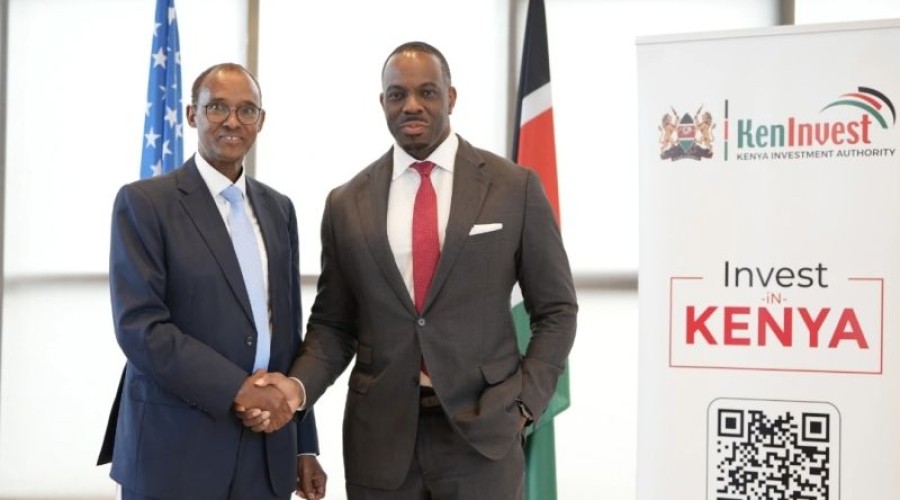
Kenya has partnered with California to establish Africa's first Clean Transportation Center of Excellence. The Africa Clean Transportation (ACT) Initiative, headquartered in Nairobi, marks a significant leap forward in the continent's sustainable mobility ambitions, positioning Kenya as a continental leader in green transport solutions.
The pioneering
initiative brings together the technical expertise of University of California,
Davis' Global South Center for Clean Transportation with Kenyan innovation to
develop zero-emission transport systems tailored for African contexts. The
center will serve as a continental hub for research, policy development, and
implementation of affordable, accessible clean mobility solutions – from
electric vehicles to renewable energy-powered public transit systems.

The
collaboration builds on California's world-leading experience in clean
transportation policy and technology, adapting these models to Africa's unique
urban and rural mobility challenges.
The launch
follows intensive discussions between California's Governor's Office, the State
Transportation Agency, Bay Area Council, and multiple Kenyan government
entities including Nairobi County. The center will initially focus on Kenya's
transport decarbonization roadmap while developing scalable models for
neighboring countries.
Additional
California-Kenya clean transport projects are slated for announcement in coming
months, signaling deepening cooperation between the two climate-forward
governments. For Nairobi, the center cements its position as Africa's
sustainability innovation capital, following its recent hosting of the Africa
Climate Summit.

As developing
nations confront the dual challenges of mobility growth and emissions
reduction, this partnership offers a model for global north-south collaboration
– one where technology transfer meets localized implementation to create
climate solutions with both environmental and economic benefits.
By: Kanto Kai Okanta