By:
Nana Appiah Acquaye
The
Ghana Internet Safety Foundation (GISF) has highlighted the growing need to
address the psychological impact of online harms and cyber threats on frontline
responders, as artificial intelligence-driven risks and digital abuse continue
to increase.
The
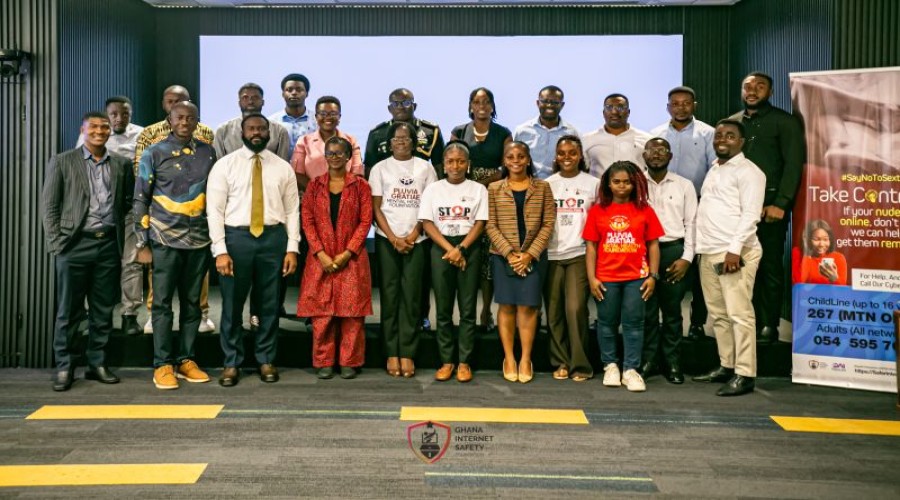
call was made during the Frontline Mental Health Resilience Program 2026, held at
the Cyber Security Authority Headquarters under the theme “AI, Online Harms
& The Human Cost: Strengthening Frontline Resilience.”
The
programme was convened by the Pluvia Gratiae Mental Health Foundation in
collaboration with the Cyber Security Authority and the Ghana Internet Safety
Foundation, bringing together professionals from cybersecurity, mental health,
child protection, law enforcement and digital safety fields.
Discussions
at the event focused on the human impact of responding to emerging digital
threats, including AI-enabled attacks, online exploitation and cyber abuse.
Participants stressed that while cybersecurity efforts often focus on
technology, infrastructure and threat prevention, the wellbeing of those
working to protect digital spaces must also receive attention.
Experts
noted that the increasing complexity and volume of online harms are placing
greater emotional and psychological pressure on cybersecurity professionals,
investigators, child protection advocates and other frontline workers.
The
programme emphasised the importance of adopting a more human-centred approach
to cybersecurity, where digital resilience includes not only protecting users
and systems but also supporting the mental health and wellbeing of those
responsible for defending online environments.
The
Ghana Internet Safety Foundation reaffirmed its commitment to promoting safer
digital spaces, stressing that effective cybersecurity requires protecting both
technology and the people who work tirelessly to safeguard communities online.