By: Nana Appiah
Acquaye
Chief Executive Officer of MobileMoney Fintech LTD
(MMFL), Shaibu Haruna, has called for Ghana's emerging digital asset ecosystem
to be built on the country's existing mobile money infrastructure, describing
tokenisation as the next step in expanding digital financial services.
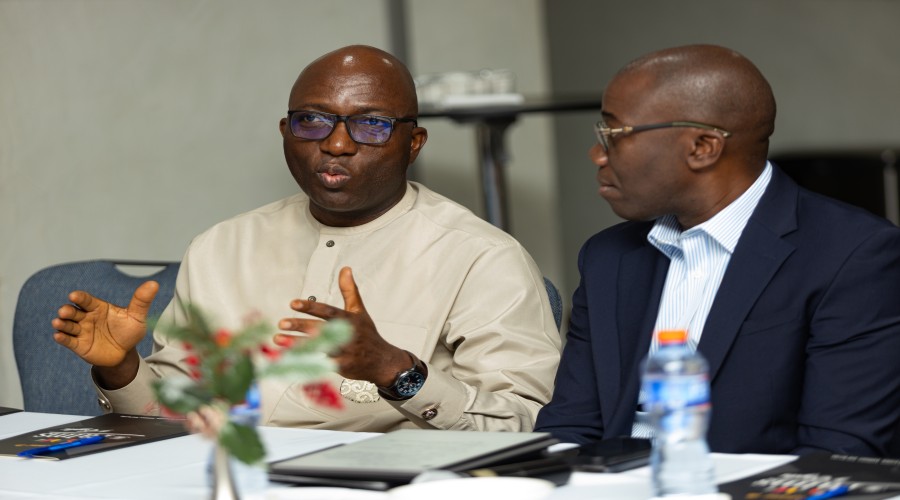
Speaking during a panel discussion on "From
Exploration to Adoption: How Banks and FinTechs Can Build the Digital Asset
Ecosystem Together" at Fidelity Bank Ghana's stakeholder workshop themed
"Shaping Ghana's Financial Future: Digital Assets, Virtual Assets,
Tokenisation," Mr. Haruna said Ghana has already developed a solid
foundation that can support the adoption of digital assets.
According to him, years of investment in mobile money
and interoperability have resulted in a robust domestic payment infrastructure
that can now be leveraged to deliver new digital financial products and
services.
"We have built a domestic highway and network for
digital payments. Through interoperability and mobile money, we have created a
strong domestic payment infrastructure. What we are now adding is an
international gateway that addresses the friction that exists in cross-border
payments," he
said.
Haruna explained that tokenisation should not be seen
as replacing existing financial systems but rather as building on them to make
financial services more accessible, efficient and inclusive.
He noted that Ghana's digital payment ecosystem already
provides the foundation for customers to seamlessly access regulated digital
asset services through familiar platforms.
"For me, this is about leveraging the
infrastructure we have already built. Customers no longer need to visit
physical branches to carry out transactions. They already use their mobile
phones every day. Our responsibility is to build platforms that enable them to
seamlessly access these new services while giving them greater choice," he stated.
The MMFL CEO said digital assets present significant
opportunities in areas such as cross-border payments, remittances and tokenised
investments, adding that financial institutions should focus on practical
solutions that address customer needs.
He also stressed that collaboration among banks,
fintech companies and regulators would be critical to the growth of Ghana's
digital asset ecosystem.
"The question is not whether banks need mobile
money operators or vice versa. The regulatory framework itself encourages
partnerships. Every institution must determine where it has the expertise to
build and where collaboration delivers greater value," he added.
The panel also featured Kofi Genfi, Chief Executive
Officer of Vaulta Digital Assets, and Kwadwo Owusu-Agyemang, Country Manager of
Akuna Wallet, who shared perspectives on regulation, digital asset
infrastructure, cross-border payments and the role of partnerships in driving
adoption.
In a separate submission, Dr. David Animante, Chief
Risk Officer of Fidelity Bank Ghana, said banks should view fintech companies
as strategic partners rather than competitors.
According to him, while fintechs are driving rapid
innovation, banks bring strengths in governance, trust, capital and risk
management, making collaboration essential to building a secure and sustainable
digital asset ecosystem.
The stakeholder workshop, organised by Fidelity Bank
Ghana, brought together regulators, banks, fintech leaders and digital asset
experts to discuss the opportunities, regulatory outlook and commercial
applications of digital assets, virtual assets, tokenisation and cross-border
payments in Ghana.