By: Kanto
Kai Okanta
The African Training and
Research Centre in Administration for Development (CAFRAD) has approved its
strategic priorities and governance decisions for the 2026–2027 period during
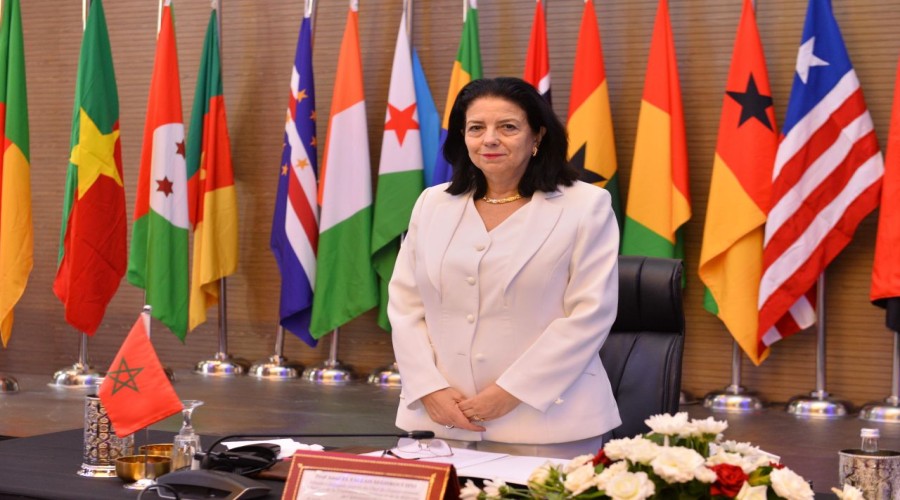
meetings chaired by Morocco’s Minister Delegate in charge of Digital Transition
and Administration Reform, Mrs. Amal El Fallah Seghrouchni.
Mrs. El Fallah Seghrouchni,
who serves as Chairperson of CAFRAD’s Board of Directors, presided over the
Executive Committee meeting and the 61st Ordinary Session of the Board of
Directors in Rabat on 15 July.
The meetings brought
together representatives of CAFRAD member states to review key issues relating
to the organisation’s governance, operations and strategic direction as it
continues to support the modernization of public administration and institutional
capacity building across Africa.
Participants examined and
adopted several reports presented by the Director-General, including updates on
the implementation of decisions from the 60th session of the Governing Body,
the CAFRAD International Forum and official missions undertaken during the
reporting period.
The Board also reviewed and
approved CAFRAD’s scientific activities programme for the 2026–2027 biennium
together with the corresponding draft budget.
During the session, members
approved the report of the Executive Committee, adopted the recommendations
arising from its deliberations and renewed the membership of the Executive
Committee for the 2026–2029 term.
The meetings followed the
17th Pan-African Ministerial Forum on the Modernization of Public
Administration and State Institutions, organised by CAFRAD under the theme, “Leadership,
an Essential Catalyst for Steering Public Action in a Context of
Transformations and Multiple Challenges.”
CAFRAD said the outcomes
reaffirm the commitment of its member states to strengthening the
organisation’s role as a continental platform for cooperation, knowledge
exchange and support for administrative reforms aimed at building more
efficient, innovative and resilient public institutions across Africa.