By: Nana Appiah Acquaye
International
Telecommunication Union (ITU) Secretary-General Doreen Bogdan-Martin has
reaffirmed the importance of Africa’s role in shaping the global digital
future, while calling for accelerated efforts to close connectivity gaps across
the continent.
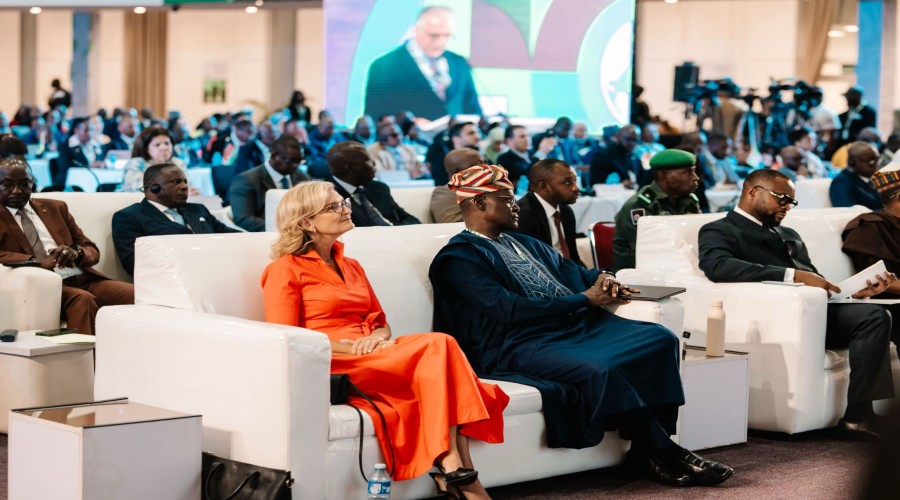
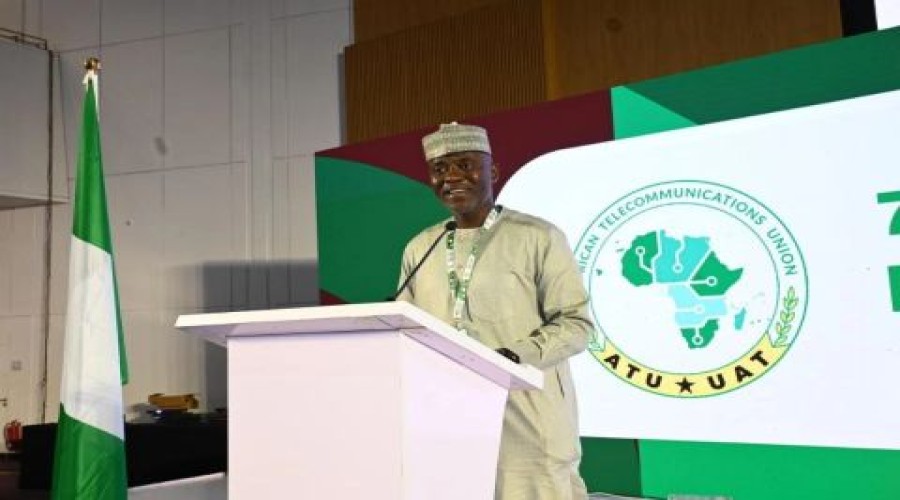
Speaking after attending the
African Telecommunications Union (ATU) 7th Ordinary Session of the Conference
of Plenipotentiaries (CPL-26) in Abuja, Nigeria, Bogdan-Martin said Africa is
not merely participating in the digital transformation journey but is already
driving innovation and shaping emerging technologies.
The conference, chaired by
Nigeria’s Minister of Communications, Innovation and Digital Economy, Dr. Bosun
Tijani, brought together ministers, telecommunications regulators, policymakers
and industry stakeholders from across Africa to discuss the continent’s digital
priorities and future direction.
Bogdan-Martin highlighted
Africa’s progress in expanding telecommunications networks, developing digital
public infrastructure and supporting entrepreneurs who are creating solutions
tailored to local challenges.
She noted that the
continent’s young and growing population remains a major driver of innovation,
contributing to the development of technologies that will influence the future
of the global digital economy.
The ITU Secretary-General
congratulated Eng. Kezias Kazuba Mwale on his election as the next
Secretary-General of ATU, expressing confidence in continued collaboration
between the ITU and the continental telecommunications body.
She said the new ATU
leadership takes office at a critical period as Africa works to expand
universal meaningful connectivity and ensure that more people can benefit from
digital opportunities.
Bogdan-Martin stressed that
while Africa has made significant progress in digital transformation, urgent
action is still required to address remaining gaps in connectivity,
affordability, digital skills and access to digital services.
She reaffirmed ITU’s
commitment to working with African governments, regulators and stakeholders to
support inclusive digital development and strengthen the continent’s
contribution to global technology advancement.