By: Nana
Appiah Acquaye
The Digital Cooperation
Organization (DCO) Council has approved the candidature of eight countries to
join the organization as Member States, potentially expanding its membership
from 16 to 24 countries representing approximately 980 million people.
The announcement was made,
in Riyadh, Saudi Arabia, with Albania, Azerbaijan, Kazakhstan, Kenya, Lebanon,
Palestine, Syria and Zambia confirmed as candidate countries.
The DCO also announced that
Tajikistan is set to join as an Associate Member, creating opportunities for
the country to strengthen digital cooperation, pursue public-private
partnerships and collaborate on initiatives focused on digital innovation,
skills and inclusion in line with its National Development Strategy through
2030.
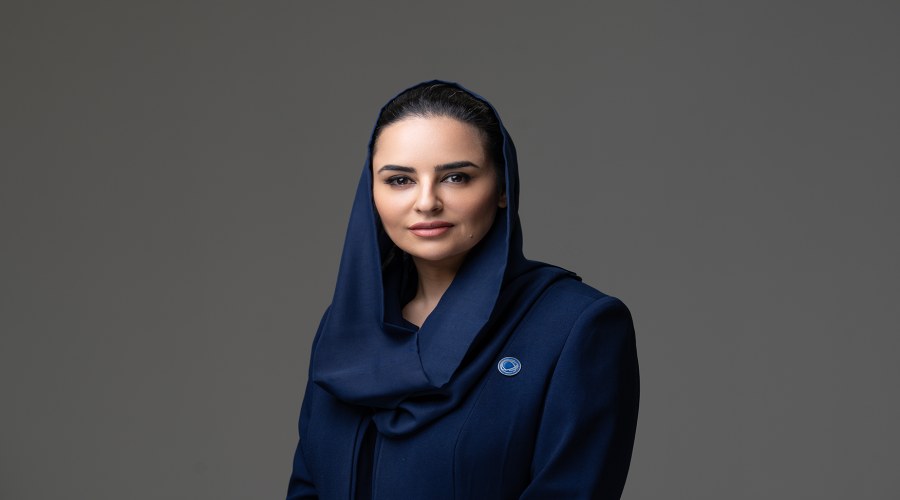
DCO Secretary-General Deemah
AlYahya said the planned expansion demonstrates that the organisation’s model
of creating a standalone international platform focused on the digital economy
has gained broader acceptance since its establishment by five founding
countries in 2020.
“When the DCO was launched
by five countries in 2020, a standalone organization built around the digital
economy outside the traditional blocs, it was an untested proposition. The news
today of our expansion, makes it a proven fact,” AlYahya said.
She said countries were
seeking greater participation in shaping emerging rules governing data,
artificial intelligence and cross-border digital trade, rather than simply
adopting rules developed elsewhere.
AlYahya said the prospective
accessions would strengthen countries’ ability to collectively build the
capacity needed to influence digital policy and contribute to what she
described as digital sovereignty in practice.
The planned expansion would
increase the DCO’s represented population to approximately 12 percent of the
global population, strengthening its role as an international platform for
digital cooperation and policy development.
The new candidates would
also significantly broaden the organisation’s geographical reach. The expansion
would extend the DCO into Central Asia for the first time, while adding
representation from the Caucasus and Western Balkans.
According to the
organisation, the development creates a new regional axis for digital
cooperation across strategically important corridors while bringing several
rapidly evolving digital economies in Eurasia into the DCO framework.
The Council’s approval of
the candidatures marks the beginning of the formal accession process.
Membership for each candidate will take effect after completion of the
respective national internal procedures and the deposit of an instrument of
accession in accordance with the organisation’s founding documents.
The DCO said the expansion
comes as it continues implementing its Strategic Four-Year Agenda 2025–2028,
which covers digital policy development, digital public infrastructure,
artificial intelligence governance, digital skills, startup ecosystems, cross-border
data flows and digital economy measurement.
The organisation said it
remains focused on helping member and participating countries convert digital
ambitions into measurable outcomes by strengthening cooperation among
governments, businesses, international organisations, academia and civil
society.
The prospective expansion
represents a significant step in the DCO’s development and could strengthen its
collective influence on the emerging rules, infrastructure and investment
shaping the global digital economy.