By: Nana Appiah Acquaye
The African Centre of
Meteorological Applications for Development (ACMAD) has elected Prof. Charles
Anosike, Director-General of the Nigerian Meteorological Agency, as its new
Board President for a four-year term as the organisation strengthens its governance
and climate services across Africa.
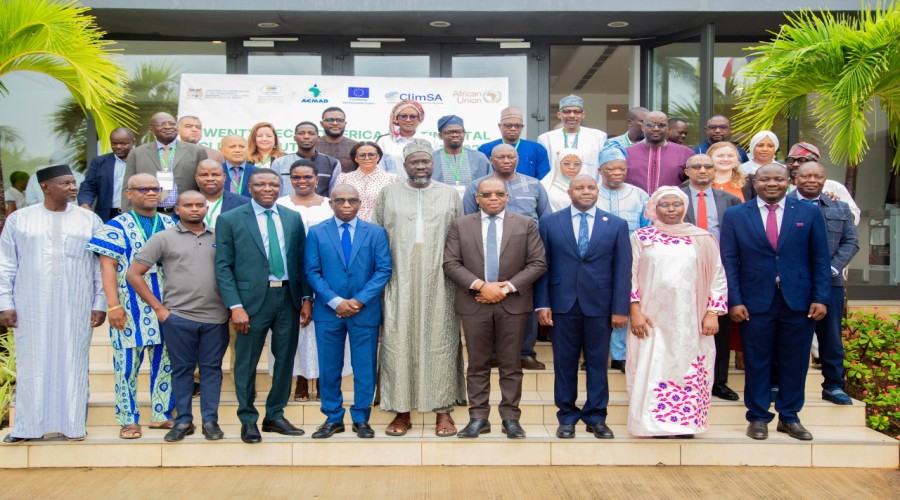
The election took place
during the 24th Ordinary Session of the ACMAD Board of Governors, held on
September 10 in Cotonou, Benin, alongside the 22nd session of the African
Conference on Climate Outlook Forums (ACCOF22).
The high-level session
brought together ACMAD Board members and institutional partners to review the
Centre’s progress and set strategic priorities for its work in supporting
Africa’s capacity to anticipate and respond to climate risks.
Participants included ACMAD
Director-General Dr Ousmane Ndiaye, ACMAD Board Vice-President and Director of
Niger Meteorological Services Dr Adamou Aïssatou Sitta, Harsen Nyambe, Director
of the African Union Commission’s Department of Sustainable Environment and
Blue Economy, and Benin’s Minister of Living Environment and Transport, in
charge of Sustainable Development, Georges Alé.
The meeting reviewed
implementation of recommendations from previous Board sessions and considered
the Director-General’s report, ACMAD’s 2027 workplan and budget, as well as a
number of new resolutions.
The election of Anosike
provides new leadership for the Board at a time when African countries are
seeking to strengthen climate information, early warning systems and
meteorological services in response to increasing climate-related risks.
ACMAD plays a role in
supporting the development and delivery of climate and weather information to
African countries, helping institutions use scientific data to inform planning
and decision-making.
The Board said stronger
governance and partnerships will be essential to improving climate services and
ensuring that African countries are better equipped to anticipate and respond
to climate hazards.