By: Kanto
Kai Okanta
Namibia has built its
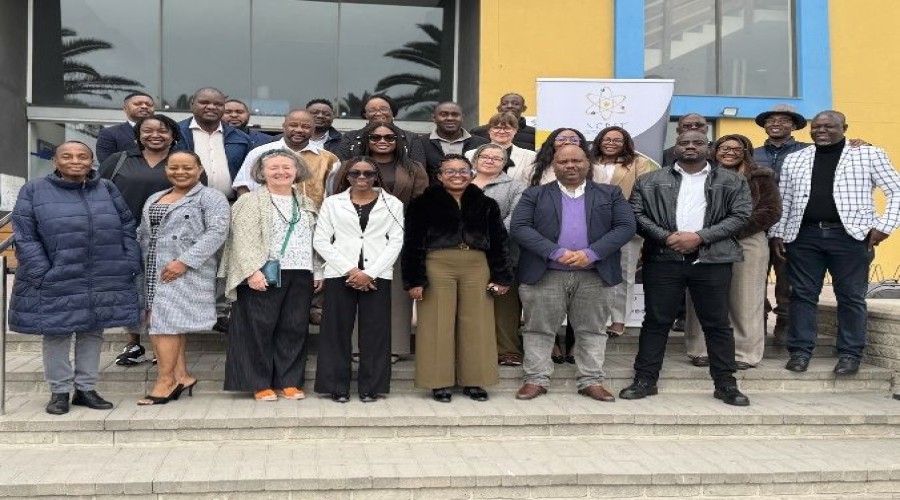
national biosafety capacity through a five-day training programme focused on
risk assessment and risk management for genetically modified organisms (GMOs).
The National Commission on
Research, Science and Technology (NCRST) hosted the National Risk Assessment
Training for Co-Implementing Agencies from August 31 to September 4, 2026, in
Swakopmund under the Strengthening the Implementation of National Biosafety
Frameworks in Southern Africa (SINBF) Project.
The training was designed to
strengthen participants’ understanding of biosafety risk assessment and
management and clarify the roles of Co-Implementing Agencies in evaluating GMO
applications.
Emphasis was placed on
applying sound, science-based principles to regulatory decision-making and
strengthening institutional capacity to support Namibia’s biosafety framework.
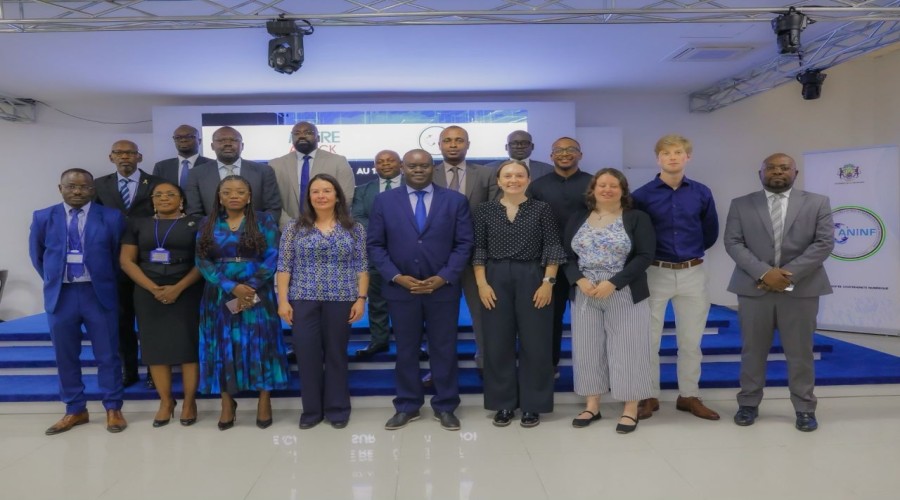
The workshop was facilitated
by Global Risk Assessment and Risk Management Expert on Living Modified
Organisms Dr Marja Ruohonen-Lehto, together with trainers Ms Victoria Weyulu,
Prof Martha Kandawa-Schulz, Dr Paulus Mungeyi, Dr Natascha Cheikhyoussef and Ms
Hilde Amputu.
Delivering welcoming remarks
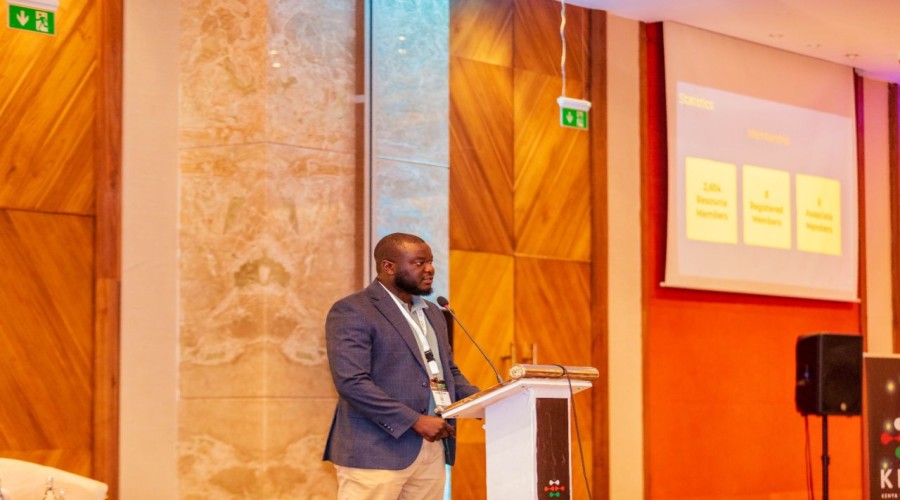
on behalf of NCRST Chief Executive Officer Prof Anicia Peters, Dr Mungeyi
underscored the importance of risk assessment as a key pillar of an effective
biosafety regulatory system and its role in enabling informed decisions.
RAEIN-Africa Chief Executive
Officer Doreen Myulwa-Shumba highlighted the need to build a common
understanding among Co-Implementing Agencies and strengthen institutional
capacity to ensure the long-term sustainability of national biosafety systems.
Biosafety Council
Chairperson Prof Martha Kandawa-Schulz called for continued awareness and
capacity building on Namibia’s Biosafety Act, 2006 and its regulations.
She also addressed
provisions of the Cartagena Protocol on Biosafety, including the Advance
Informed Agreement procedure, the precautionary approach and the safe transfer,
handling and use of Living Modified Organisms.
Participants undertook
practical exercises and held discussions on environmental risk assessment, food
and feed safety assessment, socio-economic considerations, risk communication,
regulatory decision-making and report writing.
At the close of the
workshop, Biosafety Council member Dr Milton Maseke emphasised the need for
stronger coordination between NCRST and Co-Implementing Agencies in
implementing Namibia’s national biosafety framework.
The training forms part of
broader efforts to strengthen scientific and institutional capacity for
biosafety regulation and ensure that decisions concerning genetically modified
organisms are informed by robust risk assessment and evidence-based processes.