By: Nana
Appiah Acquaye
Renewable energy can become
a major driver of industrialisation, competitiveness, job creation and
inclusive economic transformation in Southern Africa if investments in clean
energy are linked to manufacturing, innovation, trade and productive sectors.
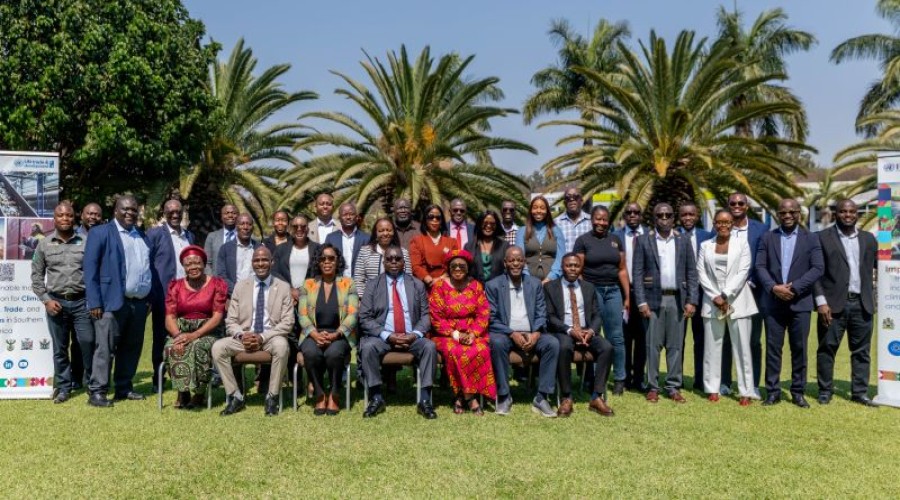
This was highlighted at the
National Workshop on Innovative Climate Action to Accelerate Green and
Inclusive Industrialisation in Southern Africa in Lusaka, Zambia, where ECA
Consultant Eugenia Masvikeni presented findings and recommendations from the study
“Exploring Pathways to Achieve Green Energy Transition and Promote Green Growth
in Southern Africa.”
The study examined renewable
energy pathways in Malawi, Mozambique, Namibia, South Africa, Zambia and
Zimbabwe, focusing on policy frameworks, trade, industrial linkages,
opportunities and entry points for green industrialisation.
A central finding was that
renewable energy resources alone do not automatically deliver economic
transformation. Their impact depends on how effectively they are connected to
industrial development, investment, innovation, trade and productive economic activities.
The study identified
opportunities across solar photovoltaic systems and battery energy storage,
bioenergy and hydropower, green hydrogen and ammonia, new energy vehicles,
renewable energy manufacturing, assembly and engineering services, as well as
agro-processing and mineral beneficiation.
It also highlighted regional
electricity trade and renewable energy services as areas where countries could
deepen cooperation and create new regional value chains.
For Zambia and the wider
Southern African region, these opportunities could support a shift beyond
renewable electricity generation towards domestic manufacturing, technical
services, technology development and greater participation in regional value
chains.
The study identified access
to finance and skills as critical enablers of the transition. Micro, small and
medium-sized enterprises face challenges including high interest rates, limited
collateral, foreign-exchange risks and inadequate capacity to develop bankable
projects.
It recommended expanding
access to concessional finance, guarantees, blended finance, leasing
arrangements and patient capital to enable more MSMEs to participate in
emerging green industries.
The study also stressed the
need to develop a workforce with skills suited to new energy technologies,
including electricians, engineers, installers, technicians, project managers,
battery specialists and energy auditors, alongside technical and entrepreneurial
capabilities.
South Africa’s Renewable
Energy Independent Power Producer Procurement Programme was cited as an example
of how renewable energy procurement can mobilise investment while supporting
energy security, local content, enterprise development, skills and employment.
The study recommends
stronger alignment between renewable energy, climate and industrialisation
policies, increased local value addition, greater MSME participation, improved
access to green finance, technology transfer and innovation, skills development,
and deeper regional integration and trade.